

 My HVAC Tech
Washington State HFC Rules: What R-410A Changes Mean for Commercial HVAC Compliance
Quick Answers for Property & Facility Managers
Do Washington State HFC rules still apply after the EPA extended the R-410A installation deadline?
Yes. Washington State HFC requirements remain in effect even though the EPA extended certain federal R-410A installation flexibility. Building owners and facility managers must continue following Washington requirements, including applicable equipment registration, leak inspections, repairs, reporting, recordkeeping, and service-practice obligations.
What commercial HVAC equipment is covered by Washington’s HFC requirements?
The Washington Refrigerant Management Program generally applies to facilities operating refrigeration or air-conditioning equipment with at least 50 pounds of refrigerant in a single independent circuit when the refrigerant has a global warming potential of 150 or greater. Covered equipment can include chillers, rooftop units, large split systems, process cooling equipment, and other commercial systems.
What must a Washington facility do when a covered HVAC system leaks refrigerant?
Detected leaks generally must be repaired within 14 calendar days by a certified technician. Limited extensions may apply when qualified technicians or parts are unavailable, or when an industrial process shutdown is required. After repair, the system requires verification and a full leak inspection, with records retained for five years.
Washington State HFC Rules Remain Separate From the EPA R-410A Extension
Washington building owners and facility managers should treat the recent federal R-410A change and Washington’s hydrofluorocarbon requirements as separate compliance questions. The EPA removed the January 1, 2026, installation deadline for certain residential and light-commercial air-conditioning and heat-pump equipment manufactured or imported before January 1, 2025. That federal flexibility does not cancel Washington requirements.
Beginning January 1, 2026, Washington prohibited refrigerants with a global warming potential greater than 750, including R-410A, in newly installed residential and nonresidential air-conditioning equipment. Existing equipment and other transition provisions must be evaluated under the applicable Washington rule and project facts. For commercial portfolios, the practical message is direct: an EPA extension is not permission to disregard state registration, inspection, repair, reporting, or recordkeeping duties.
Which Commercial Buildings and HVAC Systems Require Attention?
Washington’s Refrigerant Management Program applies to facilities with refrigeration or air-conditioning equipment containing at least 50 pounds of refrigerant in a single independent circuit when that refrigerant has a global warming potential of 150 or greater. This threshold can affect office towers, hospitals, schools, universities, hotels, supermarkets, data centers, manufacturing facilities, warehouses, and mixed-use properties.
Covered equipment may include centrifugal or screw chillers, packaged rooftop units, large split systems, supermarket refrigeration, industrial process cooling, and other commercial air-conditioning or refrigeration assets. A portfolio review should identify the refrigerant type, charge in each independent circuit, equipment location, installation date, and current operating status. Do not assume that a property is outside the program because it has no large central chiller; multiple commercial systems may create significant compliance-management obligations across a portfolio.
Washington Leak-Repair Deadlines for Commercial HVAC Equipment
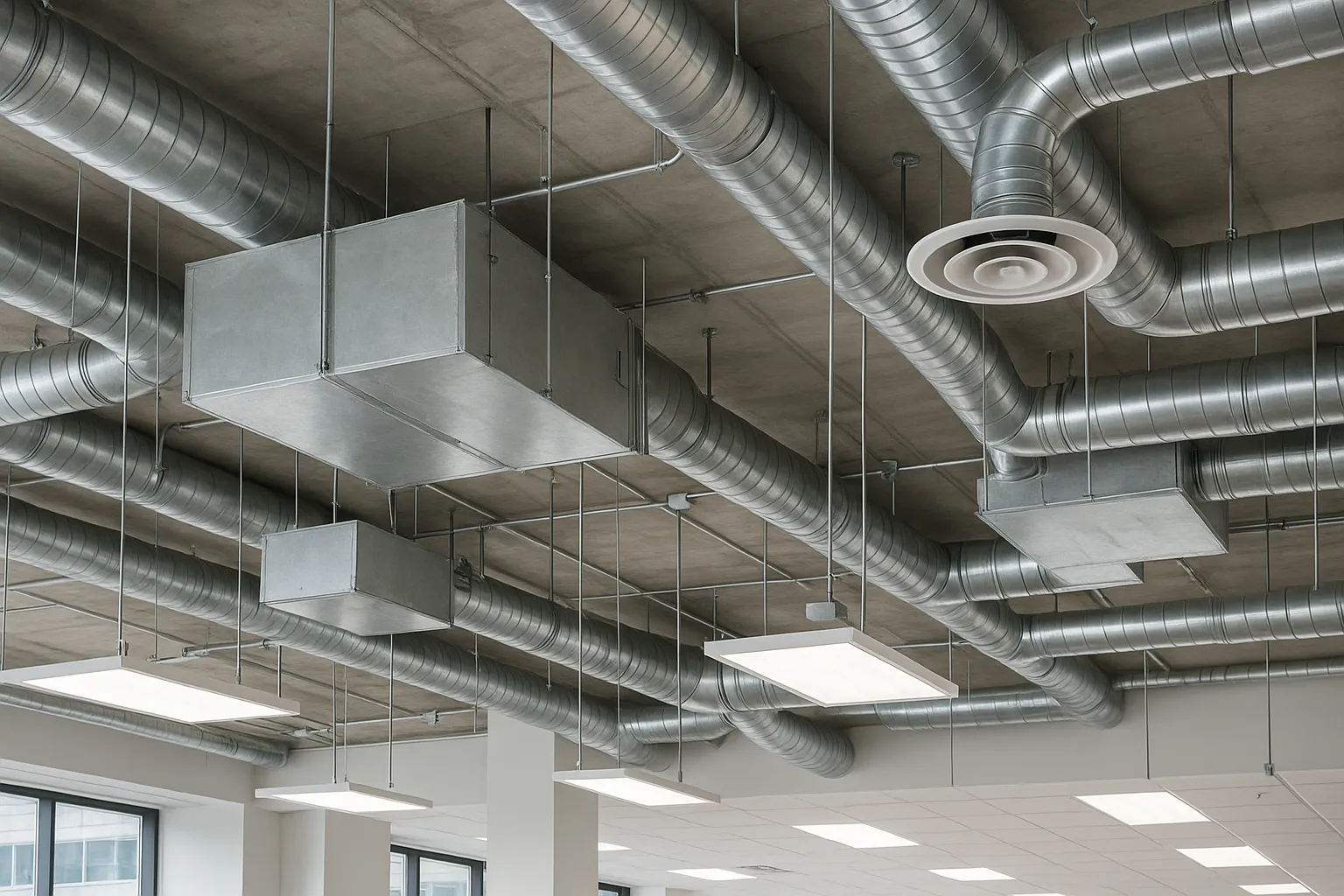
For covered systems, detected refrigerant leaks generally must be repaired within 14 calendar days of discovery. The repair must be performed by a certified technician, and the owner or operator remains responsible for ensuring that the work is completed and documented. The deadline is measured from detection, so delayed work-order approval or unclear responsibility can create avoidable compliance risk.
Washington allows limited extensions in specified circumstances. The repair period may extend to 45 days when qualified technicians or replacement parts are unavailable. Certain industrial process shutdown situations may allow up to 120 days. These exceptions should be documented rather than treated as an informal grace period.
After repair, the system must undergo a verification test and a full leak inspection to confirm that the leak has been corrected. If two repair attempts fail within the allowed period, the equipment owner must develop a retrofit or retirement plan. For building owners, repeated repairs are therefore not only a maintenance concern; they may trigger a capital-planning decision involving refrigerant conversion, equipment replacement, or system retirement.
Inspection Frequencies Depend on Refrigerant Charge
Washington’s inspection schedule depends on the refrigerant charge in the independent circuit. Large systems containing 1,500 pounds or more require monthly leak inspections. Medium systems containing 200 to 1,499 pounds require quarterly inspections. Small systems containing 50 to 199 pounds require annual inspections beginning in 2028.
Facility managers should align these inspections with preventive-maintenance calendars, asset-management software, and vendor contracts. Each inspection record should identify the equipment, circuit, date, inspector, findings, refrigerant added or removed, and any corrective action. A recurring calendar reminder is useful, but it is not a substitute for a complete compliance record that can be retrieved during an internal review or agency request.
Leak-Rate Reporting and Recordkeeping Obligations
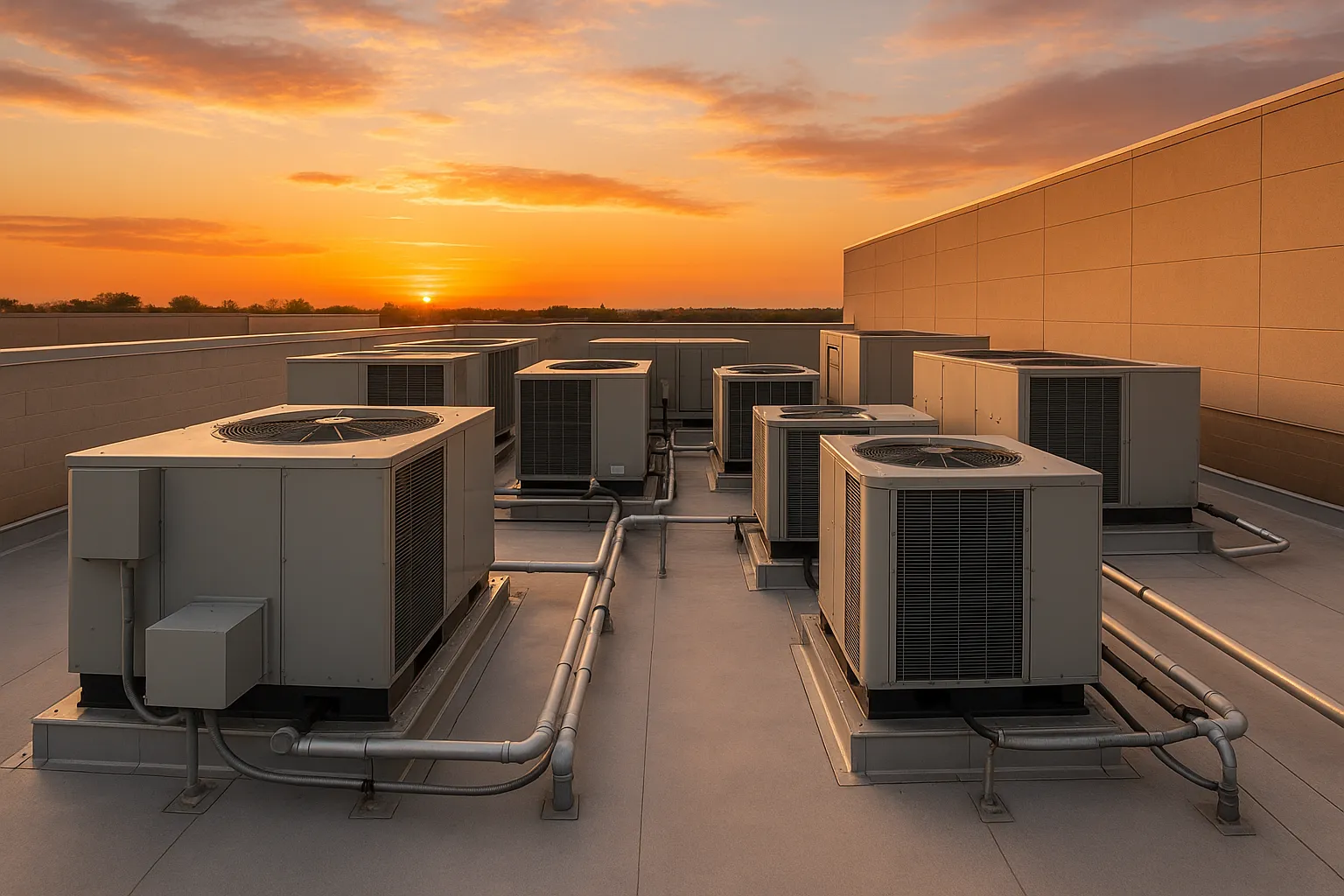
For most air-conditioning systems, an annual leak exceeding 8% of the refrigerant charge triggers additional reporting and compliance requirements. Facilities must calculate leak rates using a 12-month rolling average and maintain accurate records of refrigerant added to and removed from each system. When the threshold is exceeded, the facility must report the exceedance to the Washington Department of Ecology within 30 days and provide follow-up documentation after repairs are completed.
Required records can include equipment registration information, inspection results, leak-discovery dates, repair invoices, technician documentation, refrigerant additions and removals, verification-test results, and retrofit or retirement plans. Washington requires records related to leak discovery and repair to be retained for five years. Property managers should establish a single document owner for each facility and require service providers to submit complete records promptly after every visit.
What the EPA, DOE, and ASHRAE Mean for Planning
The EPA’s Technology Transitions requirements address refrigerant global-warming potential limits, equipment manufacturing and import restrictions, and installation transitions. The Washington rule adds state-level obligations for covered equipment. These frameworks can overlap, but compliance with one does not automatically satisfy the other.
The U.S. Department of Energy is relevant to equipment efficiency and federal standards, while ASHRAE provides widely used engineering guidance for refrigeration safety, refrigerant practices, ventilation, and building-system design. ASHRAE guidance does not replace Washington legal requirements, EPA rules, or permit conditions. Owners should ask design professionals and qualified contractors to verify refrigerant selection, safety classification, efficiency, controls, and code requirements before approving replacement equipment.
For projects involving rooftop units, heat pumps, chillers, VRF systems, or large split systems, the procurement file should document the selected refrigerant, global warming potential, equipment manufacture and import dates when relevant, installation deadline, permit status, and applicable state and federal restrictions. This documentation helps prevent an equipment purchase that is federally permissible but inconsistent with Washington requirements.
Action Plan for Washington Property and Facility Managers
- Inventory every commercial refrigeration and air-conditioning circuit with a charge of at least 50 pounds.
- Record each system’s refrigerant, global warming potential, charge size, equipment type, installation date, and property location.
- Confirm whether monthly, quarterly, or annual inspection requirements apply.
- Review service agreements to verify certified personnel, 14-day leak-repair response, verification testing, and complete documentation.
- Track refrigerant additions and removals by circuit and calculate the applicable 12-month rolling leak rate.
- Assign responsibility for Washington Department of Ecology reporting and retain compliance records for five years.
- For systems with repeated leaks, evaluate retrofit, replacement, or retirement before another failure affects tenants, production, patient care, or critical operations.
- Before buying R-410A equipment, verify both the federal transition rule and Washington’s state requirements with the engineer, supplier, and compliance adviser.
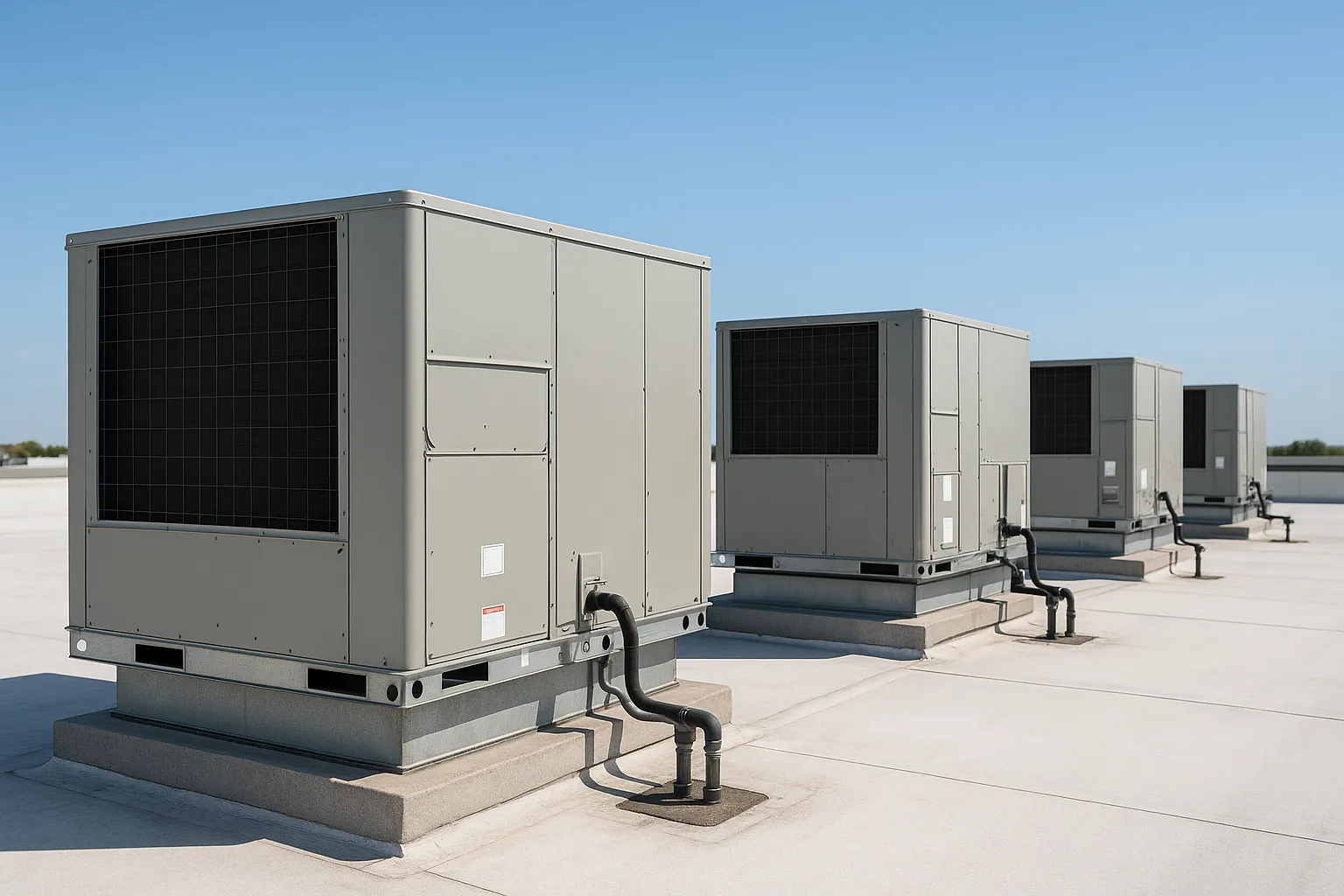
The most important management distinction is simple: the EPA extension may affect whether certain older equipment can still be installed, but it does not remove Washington’s operating obligations. Building owners and facility managers should continue managing leaks, inspections, reports, records, and replacement decisions under the state program.
Frequently Asked Questions
Can a Washington commercial building install R-410A equipment because the EPA extended the deadline?
Not automatically. The federal extension applies only to specified equipment and inventory conditions, while Washington maintains separate restrictions and compliance requirements. Before approving an R-410A purchase or installation, the owner should verify the equipment category, manufacture or import date, project permit, installation date, refrigerant GWP, and applicable Washington rule provisions with qualified design and compliance professionals.
What is the cost impact of Washington HFC compliance for building owners?
Costs can include equipment registration and fees, scheduled leak inspections, emergency repairs, refrigerant replacement, reporting administration, and recordkeeping. A system that repeatedly leaks may also require retrofit or retirement planning. Preventive inspections and accurate charge tracking can reduce avoidable service calls and help owners compare repair costs with the lifecycle value of lower-GWP replacement equipment.
What happens if a commercial HVAC refrigerant leak is not repaired within 14 days?
Failure to meet the applicable deadline can create state compliance exposure and may lead to additional corrective requirements. Limited extensions exist only for defined circumstances, such as unavailable qualified technicians or replacement parts, and should be documented. After repair, the owner must complete verification and a full leak inspection; repeated failed repairs can require a retrofit or retirement plan.
Does Washington require reporting when a commercial HVAC system exceeds the leak-rate threshold?
Yes. For most air-conditioning systems, an annual leak exceeding 8% of the refrigerant charge triggers additional reporting. Facilities calculate the rate using a 12-month rolling average and report the exceedance to the Washington Department of Ecology within 30 days, followed by documentation showing the repair and subsequent compliance actions.
Which HVAC replacement systems should Washington building owners evaluate after the R-410A transition?
Owners should evaluate equipment designed for lower-GWP refrigerants, including current-generation rooftop units, heat pumps, chillers, VRF systems, and large split systems where appropriate. Selection should consider efficiency, capacity, electrical infrastructure, refrigerant safety classification, ventilation, controls, service availability, code requirements, and the building’s replacement schedule—not refrigerant type alone.
Related Reading on My HVAC Tech
- Sustainable Building HVAC Technologies: A Commercial Guide to Efficient Systems
- AI-Enabled BMS Can Cut Commercial HVAC Energy Use by Up to 27%
Find a Qualified Commercial HVAC Contractor
Need help acting on this? Browse vetted commercial HVAC contractors in your area, or explore commercial HVAC services like preventive maintenance, retrofits, and emergency repair. Are you a contractor? List your business on My HVAC Tech to reach property and facility managers actively searching for help.
Sources
Originally sourced from ACHR NEWS


