

 My HVAC Tech
EPA R-410A Rule Change: What Property and Facility Managers Need to Know
Quick Answers for Property & Facility Managers
How does the new EPA R-410A rule change affect my commercial buildings?
The latest EPA revisions remove the January 1, 2026 installation cutoff for most residential and light commercial R‑410A systems, allowing eligible pre‑2025 inventory to be installed until supplies are depleted. For building owners and facility managers, this eases near‑term replacement decisions but keeps pressure on refrigerant supply and future costs.
Will R-410A refrigerant become more expensive for commercial HVAC service?
Industry groups warn that the EPA’s broader HFC phasedown framework will gradually restrict the supply of high‑GWP refrigerants like R‑410A. As production and imports tighten, property and facility managers should expect upward price pressure on refrigerant and service, and plan budgets and replacement strategies accordingly.
Do I still need to rush R-410A equipment installations before 2026?
No. The EPA’s final revisions remove the hard January 1, 2026 installation cutoff for most residential and light commercial R‑410A systems. Pre‑2025 inventory can be installed until it is depleted, reducing short‑term time pressure while still leaving long‑term incentives to transition to lower‑GWP alternatives.
EPA removes 2026 R-410A install cutoff but keeps HFC phasedown on track
The Environmental Protection Agency’s final revisions to the 2023 Technology Transitions Rule officially eliminate the January 1, 2026 installation deadline for most residential and light commercial R‑410A systems. Under the updated rule, HVAC equipment using R‑410A and manufactured or imported before January 1, 2025 can continue to be installed until existing inventory is exhausted.
For property managers, facility managers, and building owners, this change removes a major near‑term compliance cliff. The original rule would have forced many sites to accelerate replacements for rooftop units, split systems, and small packaged equipment serving office suites, retail bays, and smaller multi‑family common areas before the deadline. By allowing a sell‑through of pre‑2025 inventory, the EPA is effectively granting more time for orderly transitions and capital planning.
However, the same rule sits within a broader hydrofluorocarbon (HFC) phasedown mandated under federal law. The EPA’s HFC program is designed to reduce the production and import of high‑global‑warming‑potential refrigerants over time, including R‑410A. Industry groups are already warning that, despite the relaxed install deadline, tighter HFC quotas could reduce available refrigerant volumes and drive up prices for service work over the next several years.
In other words, the deadline pressure on equipment has eased, but the underlying refrigerant transition has not. Building portfolios that rely heavily on R‑410A will still face changing economics and evolving compliance risks as the phasedown progresses.
Which commercial HVAC systems are affected and where the relief applies
The rule change primarily affects residential and light commercial equipment segments, but many of these products are installed in commercial buildings. Common examples include:
- 2–20 ton split systems serving small office suites, retail stores, and clinics
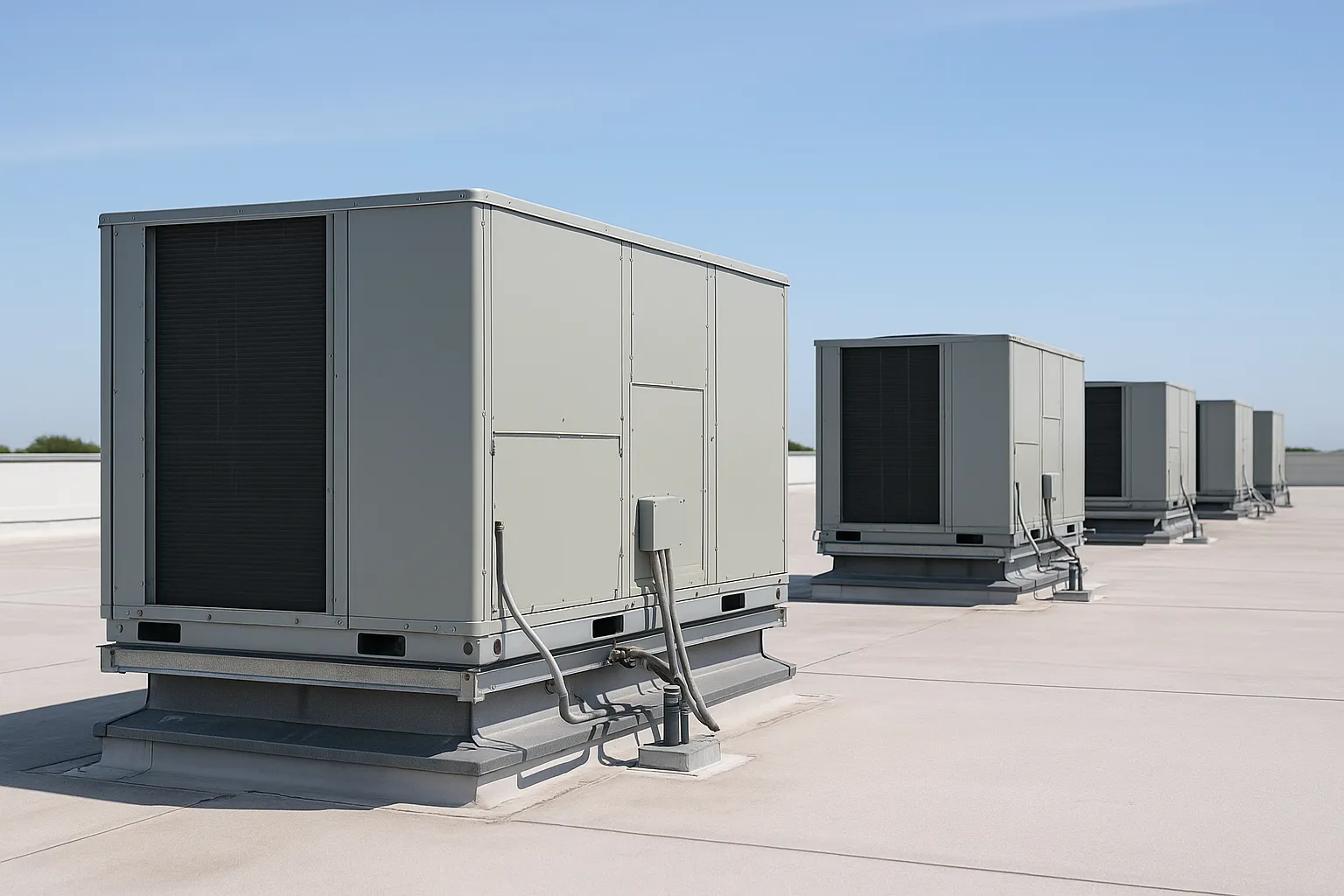
- Packaged rooftop units on low‑rise offices, strip centers, and small institutional buildings
- Heat pump systems used in multi‑family common areas or light commercial applications
Under the revised rule, these units using R‑410A and manufactured or imported before January 1, 2025 can be installed until inventory is depleted, without a fixed end date. This is particularly important for owners and facility managers who:
- Have already purchased R‑410A equipment but delayed installation because of tenant fit‑out schedules or capital approval cycles
- Operate smaller buildings or outparcels where standardized light commercial equipment is the most economical choice
- Use portfolio‑wide specifications that still reference R‑410A systems in certain building tiers
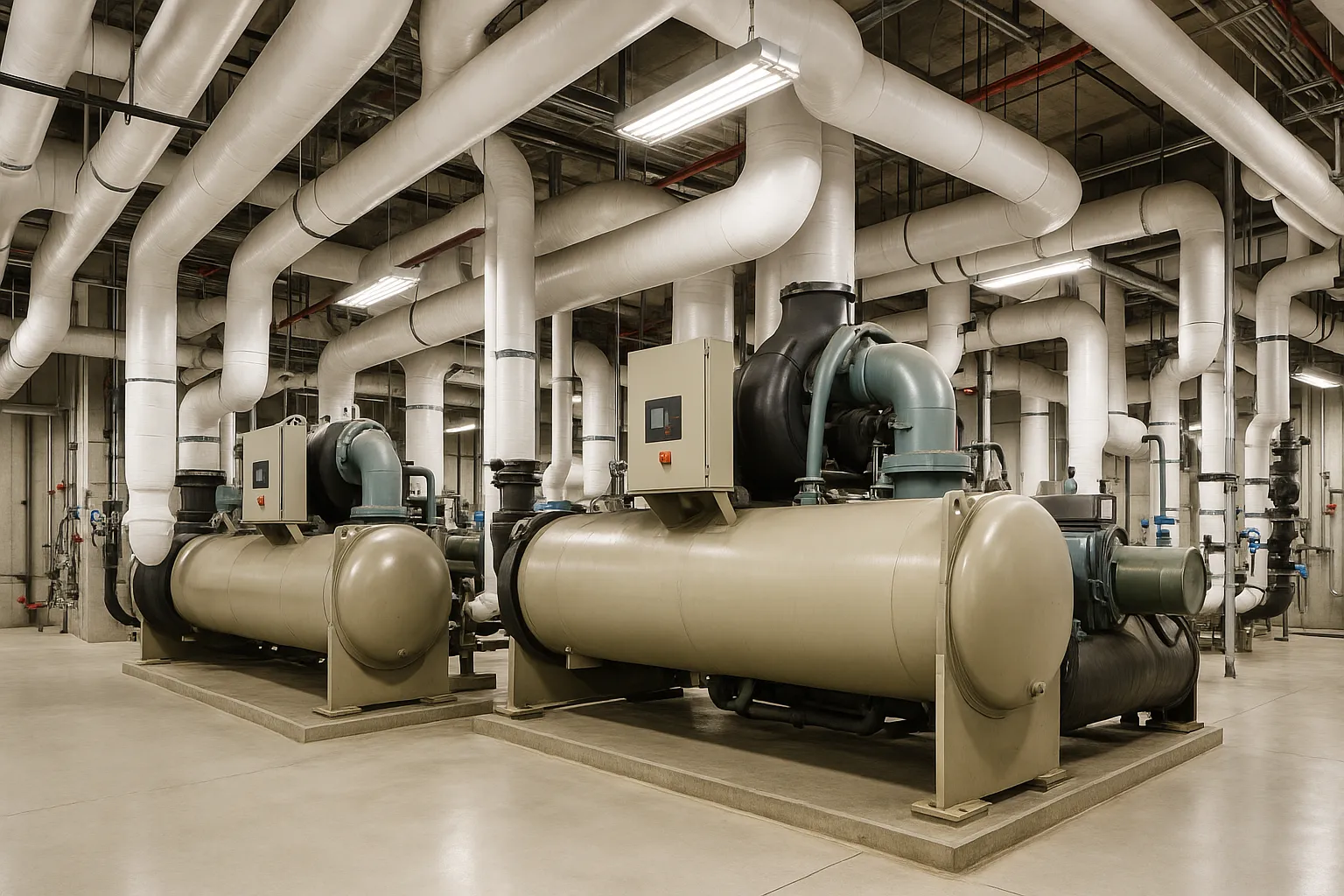
Larger commercial systems, such as high‑tonnage chillers and central plant equipment in high‑rise offices, hospitals, or university campuses, often already use different refrigerants and face their own regulatory timelines. Similarly, some categories like variable refrigerant flow (VRF) and supermarket refrigeration have distinct compliance dates and requirements under the broader Technology Transitions framework, so they should be evaluated separately with your engineering and compliance advisors.
The key takeaway for facilities: where you are relying on light commercial rooftop units or split systems, the immediate risk of stranded R‑410A inventory has been greatly reduced. You have more breathing room to align projects with lease rollovers, tenant improvements, and capital budgets.
Why refrigerant prices may rise despite the installation flexibility
Even as the EPA relaxes the installation deadline, the federal HFC phasedown continues to ratchet down allowable production and imports of high‑GWP refrigerants. R‑410A, widely used in comfort cooling systems over the past two decades, is directly affected because of its global warming potential relative to newer alternatives.
As quotas tighten, manufacturers and refrigerant suppliers will have to manage limited allocations across multiple market segments. Industry organizations and trade groups are warning that this dynamic can create upward price pressure and potential supply constraints, particularly during peak cooling seasons when demand for service and top‑offs spikes.
For building owners and facility managers, the practical implications include:
- Higher service costs for leak repairs and recharges on existing R‑410A equipment over time
- More scrutiny from contractors on leak detection and repair, as refrigerant becomes a more expensive line item
- Potential scheduling risks if local distributors face short‑term shortages or allocation limits
Because federal agencies and technical bodies such as ASHRAE and the Department of Energy continue to encourage transitions to lower‑GWP refrigerants and higher‑efficiency equipment, the long‑term regulatory and market trend is clear: staying heavily invested in legacy R‑410A systems will become progressively more expensive and less aligned with policy objectives, even if the near‑term installation deadline is gone.
Strategic planning implications for portfolios and capital budgets
The removal of the 2026 cutoff changes the timeline, but not the destination. Property managers and facility leaders should use this rule change as an opportunity to reschedule, not to indefinitely postpone, their refrigerant transition strategies.
For most commercial portfolios, a prudent approach includes:
- Segmenting your equipment by type, age, tonnage, and refrigerant, especially rooftop units and splits in the 5–25 ton range that rely on R‑410A.
- Prioritizing replacement of older, leak‑prone units where rising refrigerant costs and efficiency penalties will quickly erode NOI and increase operating risk.
- Leveraging the install flexibility where you have stranded R‑410A inventory already purchased or committed, while avoiding new long‑term dependence on the refrigerant.
The extended sell‑through window allows you to time replacements around lease expirations, major renovations, and utility incentive cycles rather than a single regulatory date. At the same time, it is wise to begin specifying next‑generation equipment that uses lower‑GWP refrigerants (including many A2L options) for projects with longer holding periods or higher energy‑intensity.
From a capital planning perspective, consider creating a multi‑year HVAC transition roadmap that accounts for:
- Expected refrigerant price increases and service cost trends
- Utility or state‑level incentives for high‑efficiency or low‑GWP systems
- Upcoming ASHRAE standard updates and DOE efficiency requirements that may affect future equipment options
This approach reframes the rule change from a short‑term reprieve into a structured planning opportunity that supports both compliance and long‑term asset value.
Practical actions for property and facility managers in the next 12–24 months
To make the most of the EPA’s revised rule while managing risk from the HFC phasedown, property and facility managers can take several concrete steps in the near term. These actions focus on portfolio visibility, contract strategy, and early alignment with technical standards from bodies like ASHRAE and DOE.
- Audit your R‑410A footprint: Develop or update an inventory of all R‑410A systems, capturing location, tonnage, age, leak history, and criticality to tenants. This helps identify where future refrigerant cost exposure is highest.
- Engage service partners on refrigerant strategy: Ask your mechanical contractors about their expectations for R‑410A pricing, availability, and alternative refrigerants in your market, and incorporate their input into your budget assumptions.
- Review maintenance practices: Tighten leak detection and preventative maintenance on older units to minimize refrigerant losses, which will become more expensive. Consider service agreements that explicitly address leak response and refrigerant handling.
- Align specifications with future standards: Work with consulting engineers to ensure that new or major retrofit projects consider upcoming refrigerant and efficiency standards, including ASHRAE guidance on A2L refrigerants and DOE efficiency baselines.
- Update tenant communication templates: As you plan HVAC replacements, especially in multi‑tenant commercial buildings, prepare clear messaging about how regulatory changes influence equipment choices, costs, and sustainability performance.
These actions help you capture the value of the installation flexibility while positioning your buildings to comply with the broader HFC phasedown and related efficiency policies. They also support better budgeting and stakeholder communication, reducing surprises when refrigerant pricing or equipment availability changes.
Balancing short-term flexibility with long-term compliance and ESG goals
Many building owners and institutional asset managers now integrate ESG and carbon‑related metrics into investment decisions. Even though R‑410A systems can continue to be installed from pre‑2025 inventory, the refrigerant’s relatively high global warming potential makes it a less attractive choice for long‑term resilience and sustainability goals.
In practice, this means:
- Using the extended install window mainly to avoid waste and stranded assets in existing inventory
- Favoring next‑generation systems with lower‑GWP refrigerants for new developments and long‑holding core assets
- Considering whole‑building strategies that combine envelope improvements, controls optimization, and modern HVAC technologies to reduce overall cooling loads
As standards from ASHRAE and guidance from the Department of Energy continue to evolve, low‑GWP refrigerants and higher‑efficiency systems are likely to become the norm. The EPA’s rule change does not reverse that trajectory; it simply prevents sudden disruption for current inventories and projects.
For portfolio leaders, the most effective response is to treat the rule change as a tactical adjustment within a strategic transition. Use the added time to rationalize your R‑410A exposure, phase in compliant equipment thoughtfully, and maintain clear documentation for investors, tenants, and regulators on how your HVAC strategy aligns with emerging requirements and climate objectives.
Frequently Asked Questions
How should property managers adjust HVAC capital plans after the EPA removed the 2026 R-410A install deadline?
With the hard cutoff gone, managers can spread R‑410A replacements over several years instead of rushing projects into 2025. The best approach is to prioritize older, leak‑prone units, use existing R‑410A inventory where it protects sunk costs, and begin specifying lower‑GWP systems for long‑term assets to balance ROI, compliance, and tenant comfort.
What is the ROI case for transitioning away from R-410A even though installations can continue?
The ROI comes from reducing exposure to rising refrigerant costs, improving energy efficiency, and aligning with evolving standards and ESG expectations. While installing pre‑2025 R‑410A units can protect current inventory, newer low‑GWP systems often deliver lower lifetime operating costs, better resilience against regulatory changes, and stronger asset positioning in the market.
Are there compliance risks if I keep installing R-410A equipment from existing inventory?
Using eligible pre‑2025 R‑410A inventory is permitted under the revised federal rule, so immediate compliance risk is low. The main risks are longer‑term: future refrigerant restrictions, higher service costs, and potential misalignment with state or local performance standards and sustainability commitments. Careful documentation and a phased transition plan can mitigate those concerns.
How might the HFC phasedown affect service contracts and refrigerant budgeting for large portfolios?
As HFC quotas tighten, service providers may raise prices for R‑410A, adjust contract structures, or emphasize leak prevention. Portfolio managers should expect higher refrigerant budget lines, renegotiate service agreements to address leak management and material costs, and build contingency into multi‑year operating budgets for price volatility and potential supply constraints.
What criteria should facility managers use when selecting replacement HVAC equipment under the new rule?
Key criteria include refrigerant type and regulatory outlook, energy efficiency ratings, total lifecycle cost, compatibility with building electrical and controls infrastructure, and manufacturer support. Managers should weigh short‑term benefits of using existing R‑410A inventory against long‑term advantages of lower‑GWP systems, considering building use, climate, and expected holding period.
Do building types like offices, retail centers, and multi-family assets face different impacts from this EPA change?
Yes. Light commercial assets that rely heavily on small rooftop units and splits gain the most near‑term flexibility, while large campuses and central plants are more influenced by other refrigerant and efficiency rules. Multi‑family properties often sit between these categories. Each asset class should be assessed individually, based on equipment mix, tenant expectations, and investment strategy.
Related Reading on My HVAC Tech
- HVAC Predictive Maintenance: A Practical Guide for Commercial Buildings
- Canada Counter-Tariffs on U.S. HVACR Equipment: What Facility Managers Need to Know
Find a Qualified Commercial HVAC Contractor
Need help acting on this? Browse vetted commercial HVAC contractors in your area, or explore commercial HVAC services like preventive maintenance, retrofits, and emergency repair. Are you a contractor? List your business on My HVAC Tech to reach property and facility managers actively searching for help.
Sources
Originally sourced from HomePros News


