

 My HVAC Tech
HFC Phase-Down Deadline: What US Retailers’ Pushback Means for Commercial HVAC
Quick Answers for Property & Facility Managers
How will the new HFC phase-down deadline under the AIM Act impact my commercial buildings and retail facilities?
The accelerated HFC phase-down will push many commercial buildings to transition away from high-GWP refrigerants sooner, impacting chillers, rooftop units, and store refrigeration systems. Facility managers should inventory HFC equipment, align capital plans with EPA timelines, and coordinate with HVAC/R vendors on compliant refrigerant and equipment options.
What immediate steps should property and facility managers take in response to retailers defending the new HFC deadline?
Even as retailers contest the accelerated HFC deadline, facility managers should act now: document all HFC-reliant equipment, review lease and service contracts, engage suppliers on low-GWP alternatives, and build multi-year budgets for phased upgrades. Treat the AIM Act timelines as the planning baseline until any formal changes occur.
Does the retailer pushback on the EPA HFC rule mean I can delay refrigerant transition projects?
Retailers’ pushback does not change your compliance obligations unless EPA or Congress formally revises the rule. Use the current AIM Act schedules as your planning anchor, prioritize high-leak and end-of-life systems, and design projects that can pivot to approved refrigerants as specific listings and building-code guidance evolve.
Retailers Challenge Accelerated HFC Phase-Down: Why Facility Managers Should Care
US retail chains and industry groups are mobilizing to defend a recently established federal deadline that accelerates the phase-down of hydrofluorocarbon (HFC) refrigerants used in commercial refrigeration and air conditioning equipment. The dispute centers on an Environmental Protection Agency (EPA) rule issued under the American Innovation and Manufacturing (AIM) Act, which tightens timelines for transitioning away from high global warming potential (GWP) refrigerants. Retailers argue that an abrupt change could disrupt existing store infrastructure and supply chains, but for property managers and facility leaders, the key issue is strategic planning and risk management.
Even while this rule is being challenged, the broader direction of US policy is clear: HFCs are being phased down and lower-GWP alternatives will dominate future commercial refrigeration and HVAC projects. You cannot assume that litigation or lobbying will eliminate your need to act; instead, you should treat this news as a signal to sharpen refrigerant transition plans, capital budgets, and vendor strategies.
Understanding the AIM Act HFC Rule and Its Commercial HVAC Implications
The AIM Act authorizes EPA to phase down production and consumption of HFCs nationwide and to manage their use in specific sectors such as supermarket refrigeration, cold storage, and comfort cooling. For commercial buildings, that means many common systems—large-tonnage chillers, packaged rooftop units, VRF systems, and centralized supermarket racks—face deadlines for reduced HFC availability, potential restrictions on new installations, and eventual transition to lower-GWP refrigerants such as HFOs or certain HFC blends.
EPA’s implementation structure generally includes:
- Overall HFC production and consumption controls that reduce supply over time, affecting price and availability.
- Sector-based restrictions that can limit the use of specific high-GWP refrigerants in new equipment and potentially in certain retrofits.
- Allowance trading and imports oversight that influence which HFCs are available to HVAC/R contractors and OEMs.
For building owners, this means that equipment relying on legacy high-GWP HFCs (for example in older supermarket racks or large comfort-cooling systems) may face rising operating costs, constrained replacement options, and more complex service planning. ASHRAE and DOE have both highlighted that refrigerant transition planning should be integrated with broader energy-efficiency and decarbonization strategies, particularly for large commercial and institutional buildings where HVAC and refrigeration loads are substantial.

Retailer Concerns: Infrastructure, Supply Chains, and Store Operations
Retailers and industry groups are pushing back on the accelerated deadline because their portfolios are heavily dependent on existing HFC-based systems. Retrofitting or replacing hundreds or thousands of stores is not just a refrigerant swap; it requires redesigning racks, display cases, condenser banks, piping, controls, and sometimes electrical infrastructure. Many chains also rely on established supply chains for replacement compressors, valves, and refrigerant, which could be disrupted if high-GWP products become constrained faster than the market can deliver alternatives.
From a property and facility management viewpoint, these concerns are highly relevant to multi-tenant retail centers, grocery-anchored shopping centers, and mixed-use properties with large refrigeration loads. Key implications include:
- Project timing risk: If deadlines stay aggressive, retailers may accelerate retrofit and replacement projects, competing for contractor capacity, equipment slots, and permits, potentially driving up costs.
- Design coordination: Refrigeration retrofits may require lease amendments or construction coordination between landlords and tenants, especially where roof space, electrical capacity, and structural supports are shared.
- Supply chain volatility: Transition periods often feature price fluctuations for legacy HFCs and limited availability of new refrigerants and components, demanding more proactive procurement strategies.
Retailers’ defense of the deadline is therefore not merely regulatory; it is tied directly to the feasibility of modernizing their portfolios without jeopardizing store uptime or blowing through capital budgets. Facility managers responsible for retail-heavy portfolios should expect more complex tenant improvement conversations and potentially higher expectations for landlord support.
What This Means for Property and Facility Managers: Risk and Opportunity
Regardless of how the current dispute is resolved, the long-term trajectory is set: high-GWP HFCs are on the way out. For property managers, facility managers, and building owners, this creates both risk and opportunity. The risk is being caught flat-footed, with aging HFC systems that become expensive to service and difficult to replace on short notice. The opportunity is to use the phase-down as a catalyst for more efficient, lower-emission, and more resilient building systems.
There are several practical steps building leaders should prioritize now:
- Comprehensive refrigerant inventory: Document all cooling and refrigeration equipment using HFCs across the portfolio—chillers (500–2000+ tons), rooftop units (10–60 tons), VRF systems, walk-in coolers, freezers, and supermarket racks. Capture refrigerant type, charge size, age, leak history, and criticality.
- Risk-based prioritization: Flag systems with high leak rates, high GWP refrigerants, or near end-of-life. These are prime candidates for early replacement or major retrofit, which can be timed with AIM Act milestones.
- Vendor alignment: Engage mechanical contractors, OEMs, and design engineers about refrigerant roadmaps, available low-GWP options, and regional code adoption for mildly flammable refrigerants (such as A2L categories in ASHRAE standards).
- Capital planning integration: Fold refrigerant transition costs into multi-year capital plans, targeting coordinated upgrades rather than emergency replacements. This improves ROI by pairing refrigerant changes with efficiency improvements and building automation upgrades.
Because DOE and ASHRAE continue to tighten efficiency baselines and publish guidance on next-generation refrigerants, aligning refrigerant transitions with energy-efficiency projects can unlock utility incentives and lower total cost of ownership over the life of the equipment.
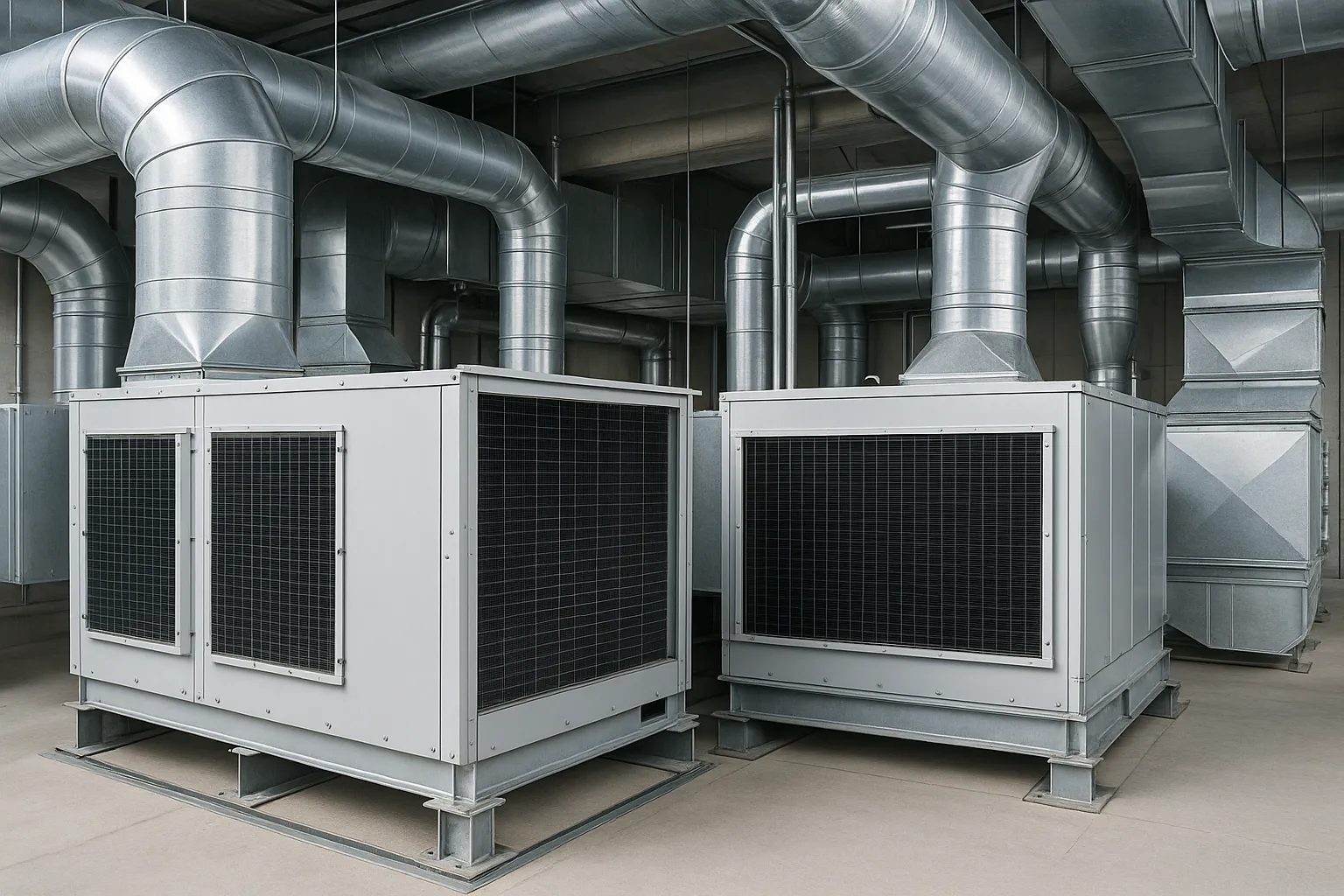
Compliance, Safety, and Building Code Considerations
The shift away from high-GWP HFCs is not simply a change in chemical designation; it raises important safety and code considerations. Many next-generation refrigerants fall into categories that may be mildly flammable or have different toxicity profiles, which triggers enhanced requirements in building codes and mechanical standards. ASHRAE standards and model codes provide guidance on charge limits, ventilation, detection systems, and equipment location for these refrigerants.
Facility managers should work with design professionals to assess:
- Mechanical room layouts and ventilation: Ventilation and detection strategies may need upgrades when introducing new refrigerants into chillers or large racks.
- Electrical and controls: Certain safety measures—including leak detection with automatic shutdown—may integrate with building automation systems, requiring controls engineering and commissioning.
- Maintenance protocols: Service procedures for new refrigerants must reflect OEM guidance and applicable safety codes. Training requirements may affect which contractors you can use and what service contracts should stipulate.
Compliance is not limited to EPA rules; local adoption of updated mechanical codes, fire codes, and ASHRAE standards can shape what refrigerants and system architectures are permitted in your jurisdiction. Proactive dialogue with code officials, commissioning agents, and professional engineers can help avoid project delays and redesigns.
Strategic Action Plan: Preparing Your Portfolio for HFC Phase-Down
A structured action plan helps property and facility managers turn regulatory uncertainty into actionable priorities. Consider the following framework for the next 3–7 years:
- 1. Portfolio assessment: Within 12 months, complete a refrigerant and HVAC/R equipment assessment across all sites. Identify critical loads—such as data centers, hospitals, supermarkets, and cold-storage warehouses—where downtime is business-critical.
- 2. Scenario planning: Develop scenarios based on different regulatory timelines (current accelerated AIM Act schedule vs. potential moderated timelines). Model impact on capital budgets, refrigerant spend, and business continuity.
- 3. Project bundling: Where possible, bundle refrigerant transition projects with roof replacements, interior build-outs, or tenant turnover to minimize disruption and share costs. For example, upgrade 20–40 ton rooftop units during major tenant renovations.
- 4. Contract and lease review: Review leases and service contracts to clarify responsibilities for refrigeration and HVAC upgrades, refrigerant costs, and compliance risk. This is especially important in grocery-anchored centers and net leases.
- 5. Communication strategy: Align internal stakeholders—asset managers, finance, operations, ESG teams—around refrigerant transition messaging and goals. This helps prioritize funding and communicate proactively with tenants.
Retailers’ defense of the new HFC deadline underscores that the transition will be complex and capital-intensive. By building a clear plan anchored in AIM Act timelines, ASHRAE standards, and DOE efficiency guidance, facility leaders can avoid reactive spending and position their portfolios for regulatory stability and improved asset performance.
Working with Partners: How My HVAC Tech Can Support Your Transition
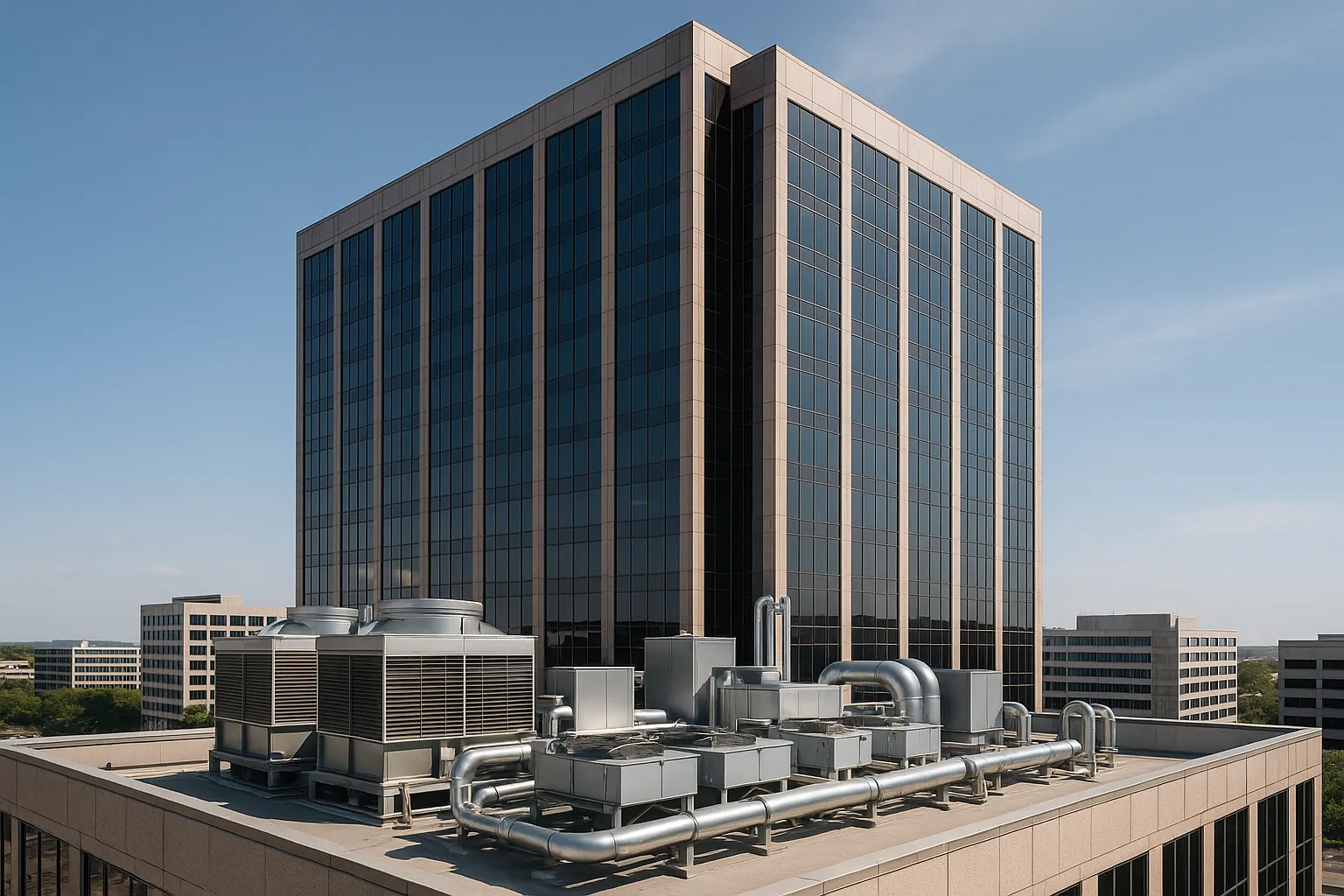
As the refrigerant landscape evolves, partnering with qualified commercial HVAC and refrigeration providers becomes mission-critical. A marketplace focused on commercial and institutional facilities can help property and facility managers source contractors who understand AIM Act requirements, EPA refrigerant rules, and the practical realities of retrofitting diverse building types—from multi-story office towers to big-box retail and industrial cold storage.
When engaging vendors, look for:
- Experience with low-GWP refrigerants: Demonstrated projects using next-generation refrigerants in chillers, racks, and rooftop units.
- Regulatory fluency: Familiarity with EPA rules, DOE efficiency standards, and ASHRAE guidance, and the ability to translate them into project scope.
- Portfolio-level thinking: The capability to design multi-site programs, not just single-equipment swaps, so that refrigerant transition aligns with your asset strategy.
As US retailers mobilize to defend the new HFC deadline, property and facility managers should use the spotlight on refrigerant policy as an opportunity to strengthen their own transition roadmap. The regulatory environment may shift at the margins, but the long-term direction is clear: planning now will reduce risk, improve resilience, and position your buildings for the next generation of commercial HVAC and refrigeration.
Frequently Asked Questions
How should I budget for HFC phase-down impacts across a multi-building portfolio?
Start by quantifying your exposure: inventory all HFC-based systems, estimate replacement cost for major equipment (chillers, rooftop units, supermarket racks), and factor in potential refrigerant price increases. Then build a phased capital plan that prioritizes high-risk assets and aligns upgrades with roof work, tenant improvements, and energy-efficiency projects to improve ROI.
Will shifting to low-GWP refrigerants increase my operational costs?
Short-term costs can rise due to retrofit work, new equipment, and commissioning requirements, but modern low-GWP systems often deliver better energy efficiency and lower leak-related losses over time. By pairing refrigerant transitions with high-efficiency equipment and controls upgrades, many owners see reduced lifecycle operating expenses and improved asset reliability, offsetting initial capital outlay.
What compliance risks do I face if I keep high-GWP HFC systems in service?
Compliance risks range from higher operating costs and limited refrigerant availability to potential restrictions on new installations and more scrutiny of leak management. As EPA and building codes tighten, older high-GWP systems may become more expensive and complex to maintain. Proactive planning helps avoid emergency replacements, business disruption, and potential regulatory penalties.
How do refrigerant transitions affect tenant relationships in retail and mixed-use properties?
Refrigerant transitions can drive construction work, downtime, and capital needs that cross landlord–tenant boundaries. Clarifying responsibilities in leases, coordinating project timing with tenant operations, and communicating regulatory drivers early are essential. In grocery and big-box retail settings, landlords who support structured renovations often protect long-term occupancy and asset value.
What criteria should I use when selecting HVAC/R partners for HFC transition projects?
Look for partners with proven commercial project experience, familiarity with AIM Act and EPA refrigerant rules, and a track record implementing low-GWP systems in buildings similar to yours. Evaluate their design capabilities, commissioning practices, safety training for new refrigerants, and ability to support portfolio-wide planning rather than isolated equipment swaps.
Related Reading on My HVAC Tech
- Reduce Commercial HVAC Energy Consumption: Practical Tips for Commercial Buildings
- Daikin Amana Air Conditioner Recall: What Property Managers Need to Know
Find a Qualified Commercial HVAC Contractor
Need help acting on this? Browse vetted commercial HVAC contractors in your area, or explore commercial HVAC services like preventive maintenance, retrofits, and emergency repair. Are you a contractor? List your business on My HVAC Tech to reach property and facility managers actively searching for help.
Originally sourced from Cooling Post


