

 My HVAC Tech
Reduce Commercial HVAC Energy Consumption: Practical Tips for Commercial Buildings
Quick Answers for Property & Facility Managers
How can property managers reduce commercial HVAC energy consumption quickly?
Start with the lowest-cost controls: fix schedules, widen deadbands, reset setpoints, verify economizers, and clean coils and filters. Then track performance by zone and equipment type. These actions often reduce wasted runtime before you consider major upgrades to rooftop units, chillers, or VRF systems.
What HVAC upgrades give the best ROI in commercial buildings?
The best ROI usually comes from controls optimization, variable-speed drives, commissioning, and replacing failing equipment at end of life. For larger buildings, high-efficiency chillers and properly applied VRF can deliver meaningful savings when matched to load profile, climate, and occupancy patterns.
Why reduce commercial HVAC energy consumption first
For most commercial properties, HVAC is one of the largest controllable operating expenses, which is why reducing commercial HVAC energy consumption is often the fastest path to lower utility bills and better net operating income. For property managers, facility managers, and building owners, the goal is not just cheaper energy use; it is keeping tenants comfortable, preserving equipment, and avoiding emergency repairs.
The most effective programs start with operational discipline before capital spending. That means understanding what each system is supposed to do, comparing it with how it actually runs, and correcting the gaps. In offices, retail stores, healthcare facilities, and warehouses, those gaps often come from long runtimes, incorrect ventilation, poor sequencing, dirty coils, and control settings that were never updated after a tenant move-out or occupancy change.
Step 1: Benchmark the building and find the waste
To reduce commercial HVAC energy consumption, begin by separating the building into major HVAC end uses: rooftop units, chillers, air handlers, pumps, and specialty systems such as VRF. Then compare energy use by schedule, weather, and occupancy. A building that runs like a full-occupancy office at night or on weekends is usually wasting energy.
- Review utility bills for seasonal spikes and unexplained base-load consumption.
- Compare HVAC run hours against actual occupancy schedules.
- Check whether the building is over-ventilating unoccupied spaces.
- Identify systems that short-cycle, hunt, or fight each other.
- Prioritize the oldest or most inefficient equipment first.
For multi-tenant buildings, ask what has changed: tenant density, hours of operation, server room loads, dining areas, or medical equipment can all change the HVAC load profile. If the control sequence has not been updated, the system may be overcooling, reheating, or conditioning air far beyond what is needed.
Step 2: Fix schedules, setpoints, and ventilation before replacing equipment
The fastest way to reduce commercial HVAC energy consumption is to align operation with occupancy. That means trimming early starts, stopping late shutdowns, and setting appropriate occupied and unoccupied modes. It also means reviewing heating and cooling setpoints, deadbands, and supply-air temperatures so the system is not making unnecessary corrections all day long.
Action items for property and facility teams
- Set realistic occupied and unoccupied schedules for each zone.
- Use night setback or setup where appropriate.
- Widen deadbands to avoid simultaneous heating and cooling.
- Reset supply-air temperature based on load and humidity needs.
- Use demand-controlled ventilation where occupancy varies materially.
- Verify outside-air dampers close correctly during warm-up and setback modes.
For offices and retail, this can be the difference between an efficient building and one that pays to condition empty space. For healthcare and other critical environments, ventilation changes must follow applicable codes and space-specific requirements. The practical point for owners and managers is simple: do not pay for more outside air or more runtime than the building actually needs.
Step 3: Maintain rooftop units so they do not waste energy
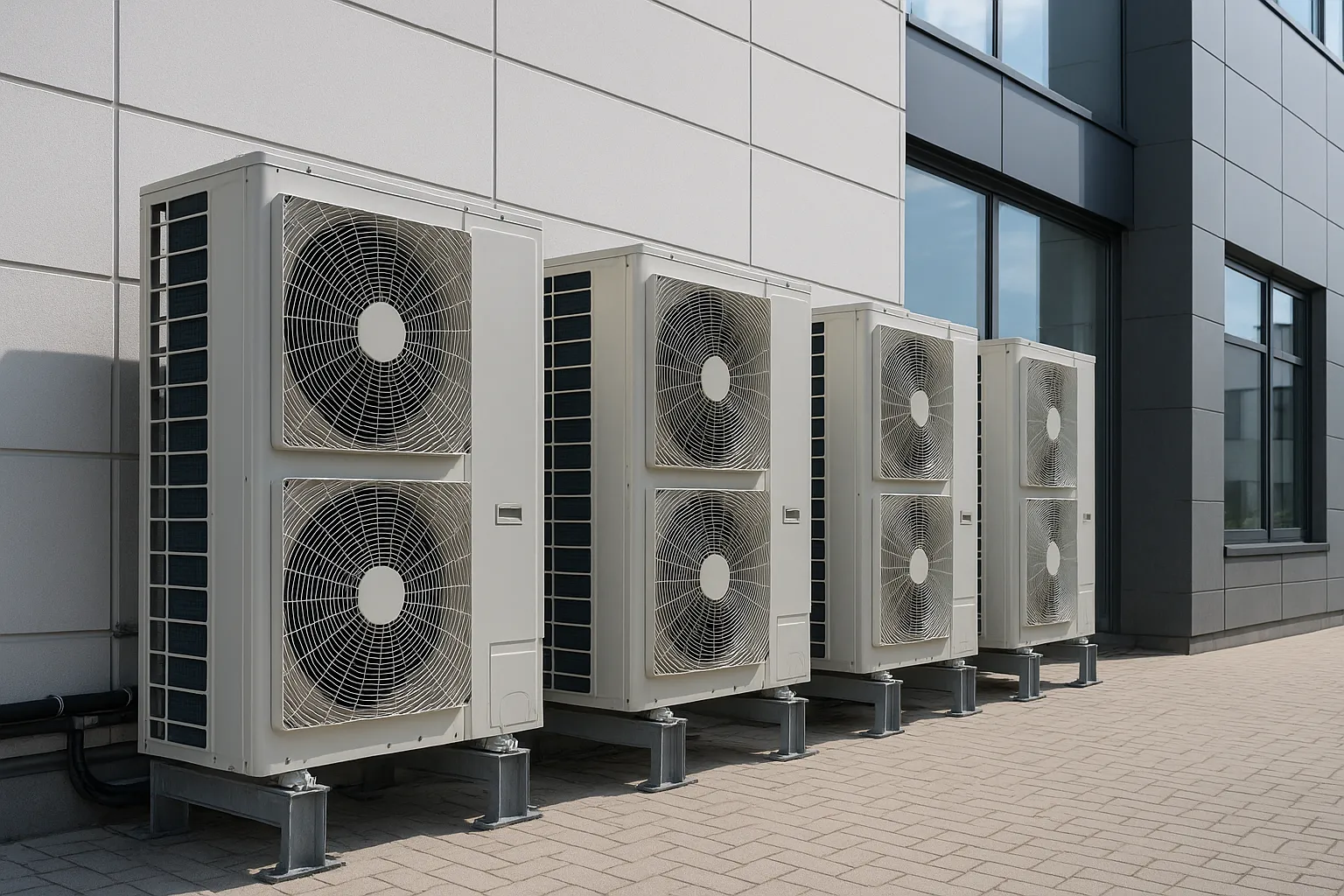
Rooftop units are common in small-to-mid-size commercial buildings and in distributed systems across larger portfolios. They are often the easiest equipment to overlook because they keep running even when performance has declined. A rooftop unit that is dirty, leaking refrigerant, or mis-controlled can waste a large amount of energy before anyone notices.
Rooftop units in commercial buildings commonly serve roughly the 50 to 500+ ton range when aggregated across multiple units or applied in larger packaged configurations. That scale makes maintenance and controls especially important because even small efficiency losses multiply across many units and many operating hours.
Rooftop unit checklist
- Clean or replace filters on a defined schedule.
- Inspect coils and verify airside airflow.
- Confirm refrigerant charge and check for leaks.
- Calibrate sensors, actuators, and thermostats.
- Test economizer operation and damper movement.
- Verify fan speed control and static pressure settings.
- Check belts, bearings, and motor condition.
For buildings with multiple RTUs, create a standard service checklist and compare units against one another. One unit that consistently uses more energy than its peers is often a control issue, airflow problem, or failing component rather than a mystery load.
Step 4: Optimize chillers for part-load efficiency
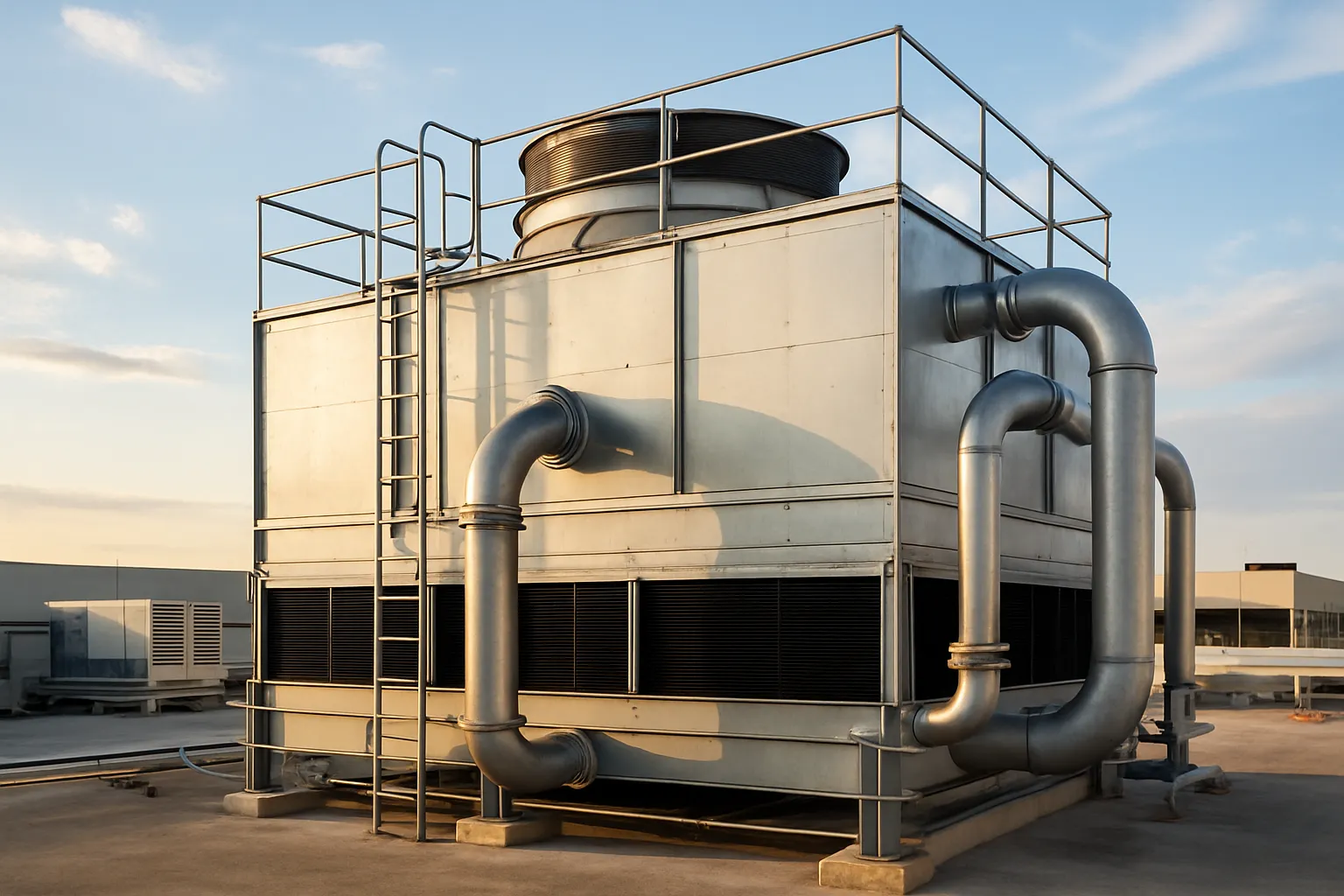
Chillers are usually the major cooling plant in larger commercial buildings, especially office towers, hospitals, campuses, and large retail properties. They are rarely limited by full-load performance alone; most annual runtime happens at part load. That is why staged control, variable-speed drives, and proper condenser-water management matter so much when you want to reduce commercial HVAC energy consumption.
For larger systems, chiller plants often serve buildings in the 100 to 500+ ton range, and some campuses extend far beyond that. The exact savings depend on climate, operating hours, and plant design, but the operating principle is consistent: keep the plant matched to actual demand rather than forcing full-capacity operation all season.
Chiller optimization steps
- Sequence chillers based on load, not equal runtime.
- Use variable-speed drives where justified by load profile.
- Reset chilled-water and condenser-water temperatures when conditions allow.
- Clean heat exchangers and verify water treatment.
- Check tower performance and fan control.
- Review pump schedules and differential pressure setpoints.
When owners evaluate a replacement or retrofit, part-load efficiency should drive the business case. A chiller with better control at low load can reduce annual energy use even if it does not look dramatically different on a nameplate. The practical question is whether the system spends most of its life in part-load conditions, which is true for many commercial buildings.
Step 5: Use VRF where the building profile fits the technology
Variable refrigerant flow systems can be a strong fit for certain commercial buildings, especially where zoning, diversity, and partial-load operation matter. Published research has found that VRF can reduce HVAC energy use compared with rooftop VAV systems and other conventional configurations, particularly when installed correctly and matched to the building type and climate. For property managers, that means VRF is not a universal answer, but it can be a strong option for tenant suites, mid-rise offices, hotels, clinics, and mixed-use spaces.
VRF is especially attractive when the building has varied occupancy, frequent tenant turnover, or zones that need different temperatures at the same time. However, the system must be designed and commissioned carefully. Improper piping, poor zoning, ignored ventilation requirements, or weak controls can erase expected savings.
VRF buying and design criteria
- Match the system to the building’s part-load profile.
- Confirm ventilation strategy separately from sensible cooling.
- Evaluate service access and maintenance capability.
- Review cold-climate performance if the property is in a heating-heavy region.
- Commission the controls at occupancy levels that reflect real use.
For decision-makers, the key question is not whether VRF is efficient in theory. It is whether the system will reduce lifecycle cost in your specific building, given labor, refrigerant management, service availability, and tenant expectations.
Step 6: Build a simple ROI case before approving upgrades
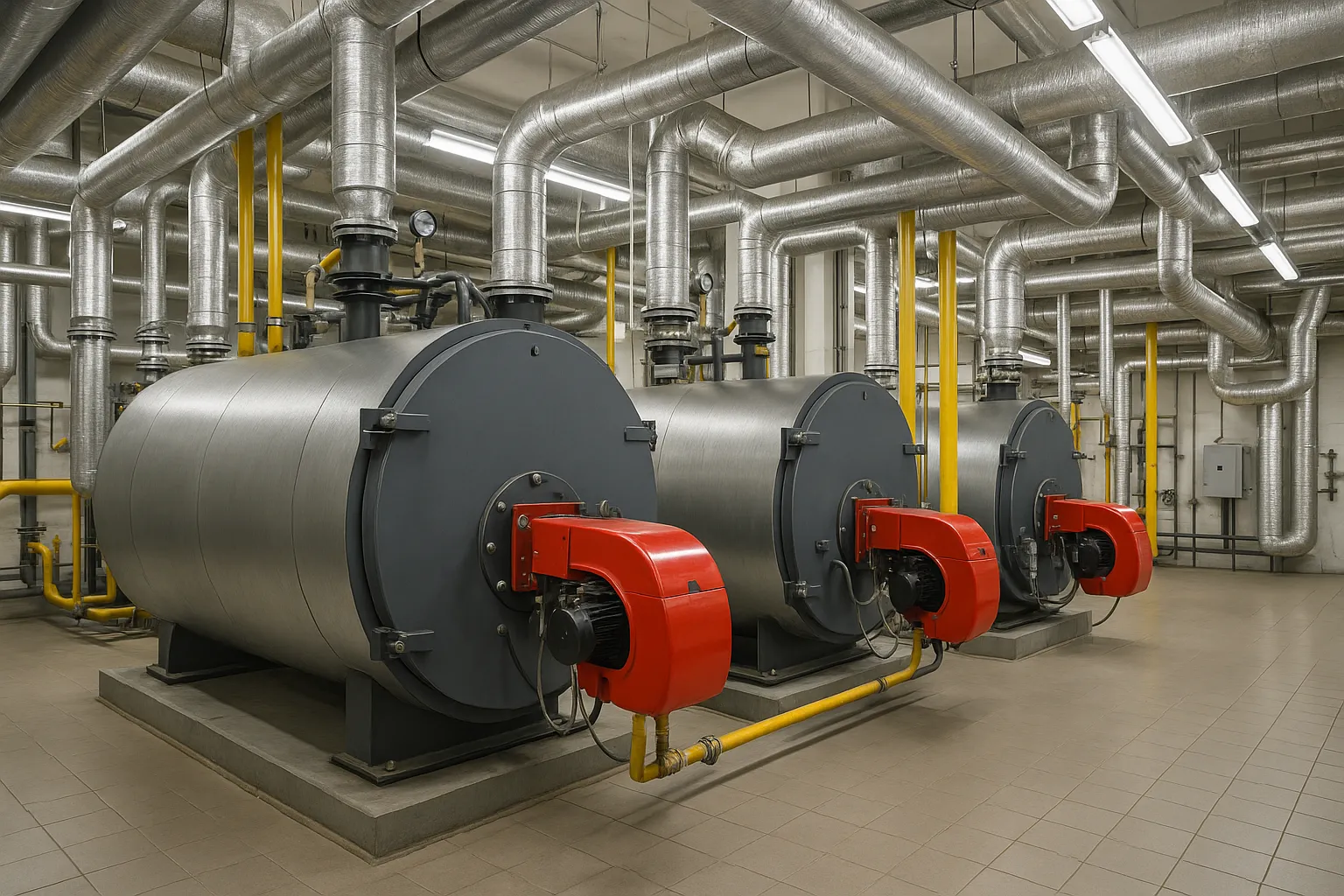
Every project to reduce commercial HVAC energy consumption should be evaluated on more than first cost. Consider avoided energy waste, reduced maintenance calls, lower downtime risk, and the timing of replacement. In many commercial buildings, controls tuning and maintenance changes are low-cost measures that can pay back quickly, while equipment replacement should be timed to failure risk and remaining useful life.
A practical ROI framework for property teams is straightforward:
- Estimate current annual HVAC energy cost by system type.
- Identify the portion likely recoverable through operational fixes.
- Estimate capital cost only for measures that cannot be solved operationally.
- Include maintenance savings and avoided emergency repairs.
- Prioritize measures with short payback and low tenant disruption first.
In real portfolio work, the best results usually come from a sequence: commissioning, controls optimization, maintenance correction, then targeted replacement. That order helps owners avoid paying for new equipment before the existing system has been made to perform correctly.
30-day implementation checklist for commercial property teams
If you want to reduce commercial HVAC energy consumption without waiting for a full capital plan, use this 30-day checklist.
- Pull the last 12 months of utility bills and identify anomalies.
- Review schedules, deadbands, and zone setpoints.
- Check every RTU for filters, coils, sensors, and damper operation.
- Inspect the chiller plant sequence and reset strategy.
- Verify economizers and outside-air controls.
- Confirm that ventilation matches current occupancy.
- Document tenant complaints and correlate them with trend data.
- Rank projects by payback, risk reduction, and comfort impact.
For offices, retail, healthcare, and warehouses, this process helps owners focus on measurable operating improvements instead of generic energy advice. It also creates a cleaner basis for vendor proposals, retrofit bids, and capital planning.
For My HVAC Tech readers, the key takeaway is that reducing commercial HVAC energy consumption is usually a management process first and an equipment decision second. Buildings that monitor, verify, and tune their systems regularly tend to spend less, break down less often, and make better upgrade decisions when replacement time arrives.
Frequently Asked Questions
What is the best first step to reduce commercial HVAC energy consumption in an existing building?
Start with operational controls, not replacement. Verify schedules, setpoints, deadbands, ventilation rates, and equipment run times. Then inspect rooftop units, chillers, and zone controls for faults. This approach usually uncovers the fastest savings with the least disruption to tenants and the lowest upfront cost.
How do rooftop units affect commercial HVAC energy costs?
Rooftop units can drive unnecessary energy use when filters are clogged, coils are dirty, dampers fail, or schedules run too long. For property managers, the priority is consistent maintenance and correct controls. Well-maintained RTUs reduce waste, improve comfort, and delay premature replacement.
When does a chiller upgrade make financial sense?
A chiller upgrade makes sense when the existing plant is near end of life, maintenance costs are rising, or part-load efficiency is poor. The strongest business case usually combines lower energy use with fewer service calls and better control. Owners should compare lifecycle cost, not just purchase price.
Is VRF always the best way to reduce commercial HVAC energy consumption?
No. VRF can be highly effective in buildings with diverse zoning and part-load operation, but it is not the best fit for every property. Managers should evaluate ventilation needs, service access, cold-climate performance, and commissioning quality before selecting VRF over rooftop units or chilled-water systems.
How should property managers measure HVAC savings after changes are made?
Track utility use before and after the change, normalize for weather and occupancy, and compare performance by equipment type. Use trend logs, runtime data, and maintenance records to confirm whether the savings persist. Without measurement, it is hard to prove ROI or catch problems early.
Related Reading on My HVAC Tech
- Daikin Amana Air Conditioner Recall: What Property Managers Need to Know
- Midea Window AC Recall: What Building Owners and Facility Managers Need to Know
Find a Qualified Commercial HVAC Contractor
Need help acting on this? Browse vetted commercial HVAC contractors in your area, or explore commercial HVAC services like preventive maintenance, retrofits, and emergency repair. Are you a contractor? List your business on My HVAC Tech to reach property and facility managers actively searching for help.


