

 My HVAC Tech
Commercial Plumbing Maintenance Guide for Reliable Building Operations
Quick Answers for Property & Facility Managers
What should a commercial plumbing maintenance program include for my building?
Commercial plumbing maintenance should include annual professional inspections, quarterly leak and valve checks, water pressure and water quality testing, drain and grease trap cleaning, backflow preventer testing, and water heater/boiler service. A structured plan reduces leaks, unscheduled shutdowns, and damage to finishes and building systems.[2][4][5][8]
How often should commercial plumbing be inspected in offices, healthcare, or retail spaces?
Most experts recommend at least one comprehensive plumbing inspection per year, with more frequent checks in high‑use areas such as restrooms, commercial kitchens, and healthcare fixtures.[3][4][8] Large campuses or buildings with previous leak issues often benefit from semi‑annual inspections plus monthly visual walk‑throughs by facilities staff.
Does commercial plumbing maintenance really reduce total operating costs?
Preventive maintenance reduces water waste, avoided leak damage, and emergency callouts, which are typically far more expensive than scheduled service.[4][7][9] For property and facility managers, this means better budget predictability, fewer tenant disruptions, and protection of adjacent HVAC, electrical, and interior finishes from water damage.
Why commercial plumbing maintenance matters for building performance
For commercial property and facility managers, commercial plumbing maintenance is as critical to uptime as your chillers, rooftop units, or VRF systems. Undetected leaks, failing valves, and clogged drains can shut down restrooms, food service, or clinical areas, drive unplanned capital spend, and damage critical building infrastructure.[1][4][9]
Plumbing failures also create secondary risk: water intrusion into electrical rooms, server spaces, or mechanical rooms housing 50–500+ ton chillers, cooling towers, or VRF condensers can cause equipment outages, corrosion, and even safety hazards.[4][9] A structured maintenance program turns those risks into predictable, budgetable line items.
Compared with emergency work, planned commercial plumbing maintenance typically costs less per hour and allows work to be scheduled off‑peak, minimizing tenant disruption and overtime labor premiums.[7][9] It also supports compliance with local plumbing codes and backflow testing requirements, which are essential in healthcare, food service, and large office buildings.[4][5]
Core elements of a commercial plumbing maintenance plan
A practical maintenance plan should align with your overall facilities strategy, including HVAC and energy management. At minimum, most sources recommend annual comprehensive inspections plus targeted preventive tasks throughout the year.[2][4][5][8]
Annual and semi‑annual inspections
- Whole‑building inspection: Have a licensed commercial plumber inspect exposed piping, fixtures, valves, and mechanical rooms at least once per year.[2][4][8]
- Backflow preventers: Test and inspect backflow prevention devices annually to prevent contamination of potable water supplies.[1][4][5]
- Water heaters and boilers: Inspect for leaks, corrosion, and temperature/pressure safety; flush tanks to remove sediment and test temperature and pressure relief (TPR) valves.[2][4][5]
- Sewer and storm lines: Use video or other methods to check for root intrusion, sagging, or blockages that could lead to backups.[4][8]
Monthly and quarterly preventive tasks
- Leak checks: Walk critical areas (restrooms, mechanical rooms, tenant kitchens, healthcare spaces) to look for stains, puddles, mold, or musty odors that indicate hidden leaks.[2][4][5][6]
- Water pressure checks: Measure pressure at representative fixtures; for most commercial buildings, 40–80 psi is recommended.[1][2][5] Check multiple floors because pressure can vary significantly with height.[5]
- Drain and trap cleaning: Inspect and clean floor drains, sinks, and trench drains; in commercial kitchens, pump and clean grease traps every 1–3 months depending on usage.[2][4][5]
- Valve testing: Exercise isolation and emergency shut‑off valves so they operate smoothly when needed.[1][5]
Document all inspections and repairs in your CMMS or maintenance log so trends (recurring leaks, chronic low pressure, frequent water heater resets) are visible and can inform capital planning.[3][8]
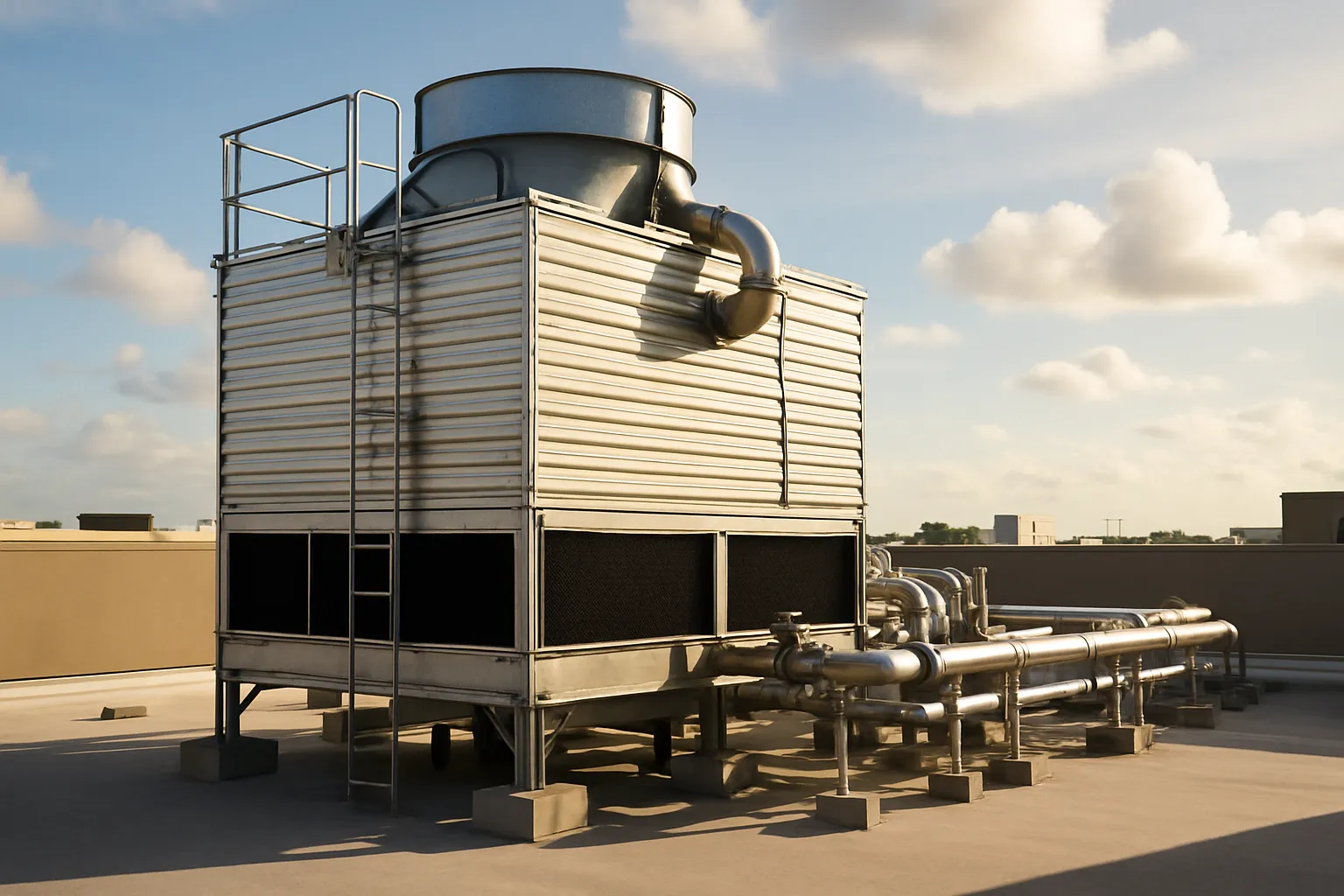
Step‑by‑step commercial plumbing maintenance checklist
The following step‑by‑step process is designed for facility and property managers to implement with their in‑house team and external plumbing partners.[2][4][5][8]
1. Inspect and clean drains and fixtures
- Walk all restrooms, kitchens, and utility rooms and identify slow drains, standing water, or gurgling sounds.[2][4][5]
- Ensure floor drains are wet (primed) to prevent sewer gas and that screens/strainers are in place to catch debris.[4]
- Schedule mechanical cleaning or jetting of problem drains and main lines before peak seasons or occupancy changes.[4][8]
- In food service tenants, confirm proper grease disposal practices and documented grease trap service every 1–3 months.[2][4][5]
2. Check for leaks, corrosion, and insulation issues
- Inspect exposed pipes for signs of corrosion such as discoloration, flaking, or blue/green staining, and schedule replacement of compromised sections.[4][5][6]
- Look for water stains on ceilings and walls, warped finishes, or mold/mildew, which can indicate hidden leaks.[4][5][6]
- Check pipe insulation for missing, wet, or deformed sections and verify the thickness and jacket condition match the operating temperature and location.[5]
- Monitor water bills for unexplained increases that may signal concealed leaks.[4]
3. Maintain water pressure and quality
- Use a pressure gauge at representative fixtures to confirm 40–80 psi where appropriate, adjusting or repairing regulators as needed.[1][2][5]
- Investigate low pressure complaints immediately, as they can indicate leaks, blockages, or undersized piping.[2][3]
- Periodically test water quality for microbial and chemical parameters, especially in healthcare, food service, and large office facilities.[3][5]
- Where needed, maintain water treatment systems such as filtration or softening to reduce scale buildup in heaters, valves, and fixtures.[3]
4. Service water heaters, boilers, and related equipment
- Annually flush tank‑type water heaters to remove sediment that reduces efficiency and shortens equipment life.[2][4][5]
- Inspect for external rust, leaks, or burnt wiring, and verify water temperature setpoints (often near 120°F, with adjustments for code and infection control).[5]
- Test TPR valves and associated controls to ensure safe operation.[2]
- Coordinate plumbing maintenance with mechanical teams servicing boilers, heat exchangers, and domestic hot water loops linked to your central plants, chillers, or 50–500+ ton HVAC equipment.
5. Test valves, pumps, and backflow prevention
- Exercise isolation and emergency shut‑off valves at least annually, verifying full closure and labelling for quick access during incidents.[1][5]
- Test sump pumps and sewage ejectors for proper operation, especially in basements and critical rooms such as data centers or mechanical rooms.[2][4][8]
- Arrange certified backflow preventer testing according to local code, typically annually, and maintain records for inspections and audits.[1][4][5]
Integrating plumbing maintenance with HVAC and mechanical systems
In modern commercial buildings, plumbing interacts with HVAC systems in domestic hot water production, condensate drainage, and sometimes hydronic loops. Poor plumbing maintenance can compromise HVAC performance and reliability.
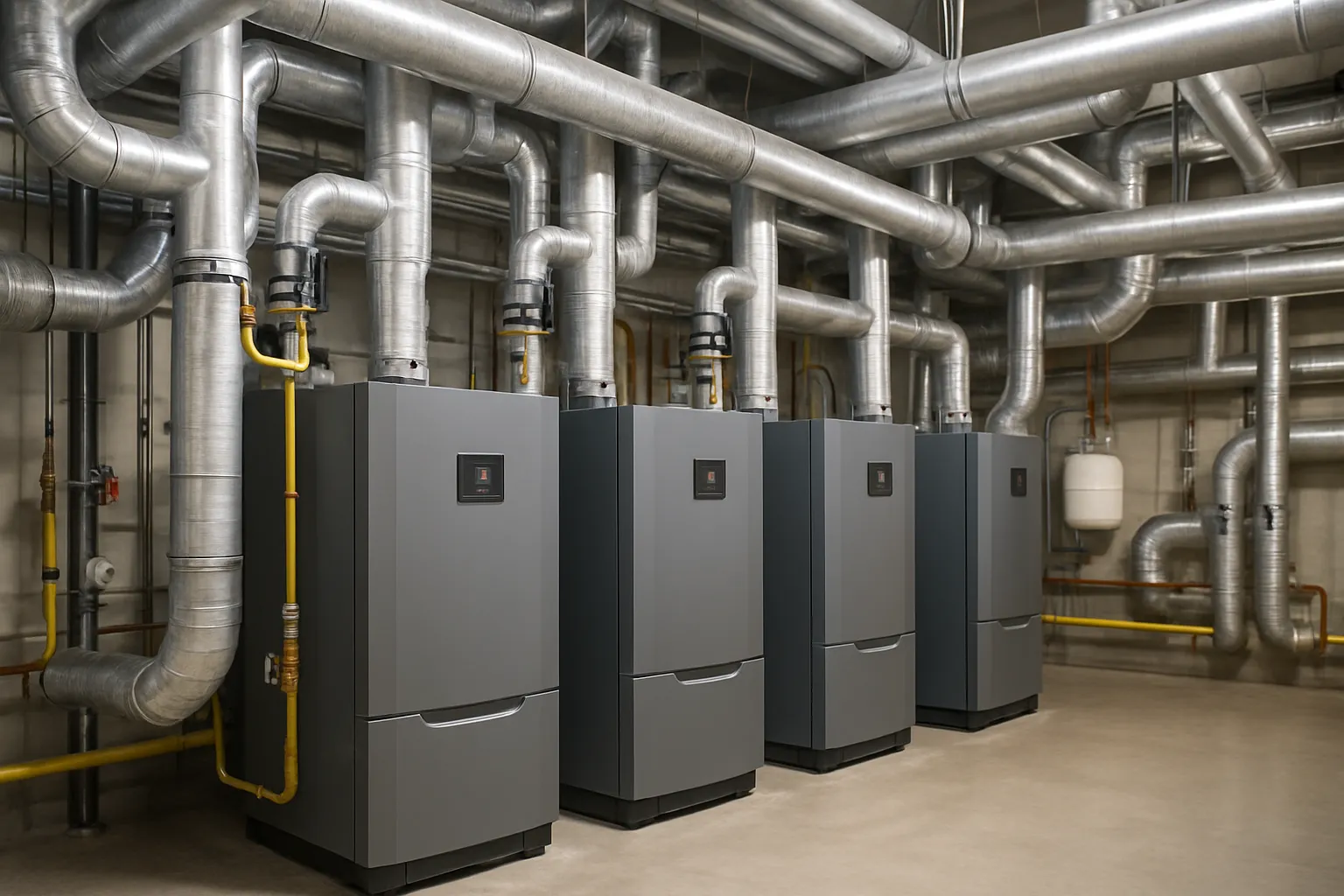
- Mechanical rooms: Ensure plumbing lines serving boilers, cooling towers, and humidification equipment are leak‑free and clearly labelled to protect 50–500+ ton chillers, VRF systems, and rooftop units from unnoticed water intrusion.
- Condensate and drainage: Verify condensate drains from AHUs, fan coils, and VRF indoor units are clear and properly trapped to avoid overflows into ceilings or equipment areas.[4]
- Domestic hot water loads: Coordinate water heater service with occupancy schedules, laundry and kitchen operations, and healthcare hot water demand to optimize energy use while meeting code and safety requirements.[2][3]
For property managers, aligning plumbing and HVAC preventive maintenance on the same calendar reduces site visits, improves access coordination, and makes budgeting more predictable.
Cost, risk, and ROI considerations for property and facility managers
Commercial plumbing maintenance is often a small fraction of annual operating expenses, but it has an outsized impact on risk. Water damage from a single failed valve or supply line can impact multiple floors, shut down tenant operations, and trigger costly remediation.[4][7][9]
Planned maintenance typically includes predictable inspection and service fees, while emergency response often involves after‑hours premiums, expedited materials, and business interruption costs. Regular inspections, cleanings, and minor repairs extend the life of your plumbing infrastructure and reduce major failures.[4][7]
From a portfolio perspective, consistently applied commercial plumbing maintenance also supports:
- Tenant retention: Reliable restrooms, kitchens, and clinical spaces reduce complaints and protect rental income.
- Regulatory compliance: Proper backflow, water quality, and fixture maintenance helps avoid violations, especially in healthcare and food service.[3][4][5]
- Asset protection: Coordinated plumbing care protects adjacent HVAC, electrical, and interior finishes, reducing capital replacement needs.
For owners and asset managers, documenting a robust preventive maintenance program can also support insurance discussions and demonstrate proactive risk management.
How to select a commercial plumbing partner through My HVAC Tech
For most office, retail, healthcare, and industrial properties, a mix of in‑house inspections and contracted service works best. When you engage a contractor through a marketplace such as My HVAC Tech, focus on partners experienced with commercial plumbing maintenance in buildings similar to yours.[1][2][7]
- Verify licensing, insurance, and experience with backflow testing, water heaters/boilers, and large restrooms or commercial kitchens.[1][2]
- Ask for a written preventive maintenance scope covering leak checks, pressure testing, drain cleaning, valve exercising, and code‑required inspections.[2][4][5]
- Request references from comparable facilities and review service level expectations, emergency response times, and reporting formats.[1][7]
- Align contracts with your HVAC service agreements so plumbing work is coordinated with rooftop units, chillers, and VRF maintenance windows.
A vetted commercial plumbing maintenance partner helps facility managers convert reactive issues into a structured program that protects operations, budgets, and building value over the long term.
Frequently Asked Questions
How much should I budget annually for commercial plumbing maintenance in a multi-tenant office or retail building?
Budgets vary with size, fixture count, and risk tolerance, but routine inspections, drain cleaning, valve testing, and water heater service are usually far cheaper than one major leak event with water damage and business interruption.[4][7][9] Build a baseline from past emergency spends, then shift a portion into a preventive contract and track avoided incidents over time.
What compliance or safety requirements affect commercial plumbing maintenance?
Most jurisdictions require periodic backflow preventer testing to protect the public water supply, along with adherence to plumbing codes for water temperature, drainage, and venting.[1][4][5] Healthcare, food service, and certain industrial uses may also require documented water quality testing, cross‑connection control, and hot water temperatures that support infection prevention.[3][5]
What are the biggest risks of deferring commercial plumbing maintenance?
Deferral increases the likelihood of leaks, sewer backups, and fixture failures that disrupt tenants and damage finishes, mechanical rooms, and critical spaces.[4][7][9] It also raises the chance of water contamination, code violations, and emergency callouts at premium rates. For property and facility managers, this means higher total costs and greater operational risk.
How can facility teams monitor plumbing between professional visits?
Train janitorial and engineering staff to spot early warning signs: slow drains, recurring clogs, water stains, musty odors, pressure changes, and abnormal water bills.[2][3][4][5] Use simple checklists tied to regular rounds and log issues into your CMMS so they can be addressed during scheduled commercial plumbing maintenance visits instead of emergencies.
Should commercial plumbing maintenance be coordinated with HVAC and mechanical service?
Yes. Plumbing supports boilers, cooling towers, humidifiers, condensate drains, and domestic hot water loads, so failures can impact 50–500+ ton chillers, rooftop units, and VRF systems.[4][7][9] Coordinating schedules improves access, reduces downtime, and allows shared insights between mechanical and plumbing contractors for more holistic asset management.
Related Reading on My HVAC Tech
- DOE Proposed Rule: What New Commercial Unitary AC and Heat Pump Standards Mean for Your Buildings
- Commercial Chiller Maintenance Guide for 50–500+ Ton Systems
Find a Qualified Commercial HVAC Contractor
Need help acting on this? Browse vetted commercial HVAC contractors in your area, or explore commercial HVAC services like preventive maintenance, retrofits, and emergency repair. Are you a contractor? List your business on My HVAC Tech to reach property and facility managers actively searching for help.


