

 My HVAC Tech
Trane Raises Outlook as Commercial HVAC Orders Surge
Quick Answers for Property & Facility Managers
How does Trane’s surge in commercial HVAC orders affect my upcoming capital projects?
Trane’s surging commercial HVAC orders and stronger outlook mean longer lead times and potential pricing pressure for large projects. Property and facility managers should lock in specs, budgets, and schedules earlier, especially for data centers, offices, healthcare, and campuses, to secure capacity and avoid delays.
What does Trane’s raised commercial HVAC outlook mean for data center and mission-critical facilities?
Trane’s raised outlook highlights strong demand from data centers and other mission-critical facilities, signaling tighter availability for high-tonnage and precision cooling. Facility leaders should review multi-year capacity plans, redundancy strategies, and ESG targets now to ensure equipment and project resources are reserved in advance.
Should building owners adjust their HVAC upgrade timelines based on Trane’s demand update?
Yes. A stronger commercial HVAC outlook and surging orders suggest that deferring upgrades may increase schedule risk. Building owners should prioritize projects tied to regulatory compliance, energy performance, or tenant commitments and move from annual to multi-year HVAC planning to secure equipment, labor, and funding windows.
Trane’s Commercial HVAC Outlook: Why Surging Orders Matter to Building Owners
Trane Technologies’ announcement that commercial HVAC demand remains strong, with surging orders and a robust backlog, is more than a manufacturer headline. It is a leading indicator for property managers, facility managers, and building owners about what to expect in pricing, lead times, and project risk across the next 12–24 months.
With data centers and other commercial end markets driving much of this demand, Trane’s raised outlook signals that the sector is not cooling off. That has direct implications for capital planning, ESG roadmaps, and compliance-driven HVAC upgrades in office, healthcare, education, industrial, and mixed-use portfolios.
This article unpacks what the news means at the portfolio level and how to adjust your strategy so you are not caught on the wrong side of capacity constraints or cost escalations.
Stronger Commercial HVAC Demand: What It Signals for the Market
When a top-tier OEM like Trane reports surging orders and a robust backlog, it usually reflects broad trends across multiple brands, not an isolated spike. For building and facility leaders, this is a clear signal in three areas: demand, capacity, and timing.
1. Demand is being driven by multiple commercial verticals. Data centers are a major driver, but they are not alone. Corporate campuses, healthcare facilities, higher education, logistics, and manufacturing plants are all investing in:
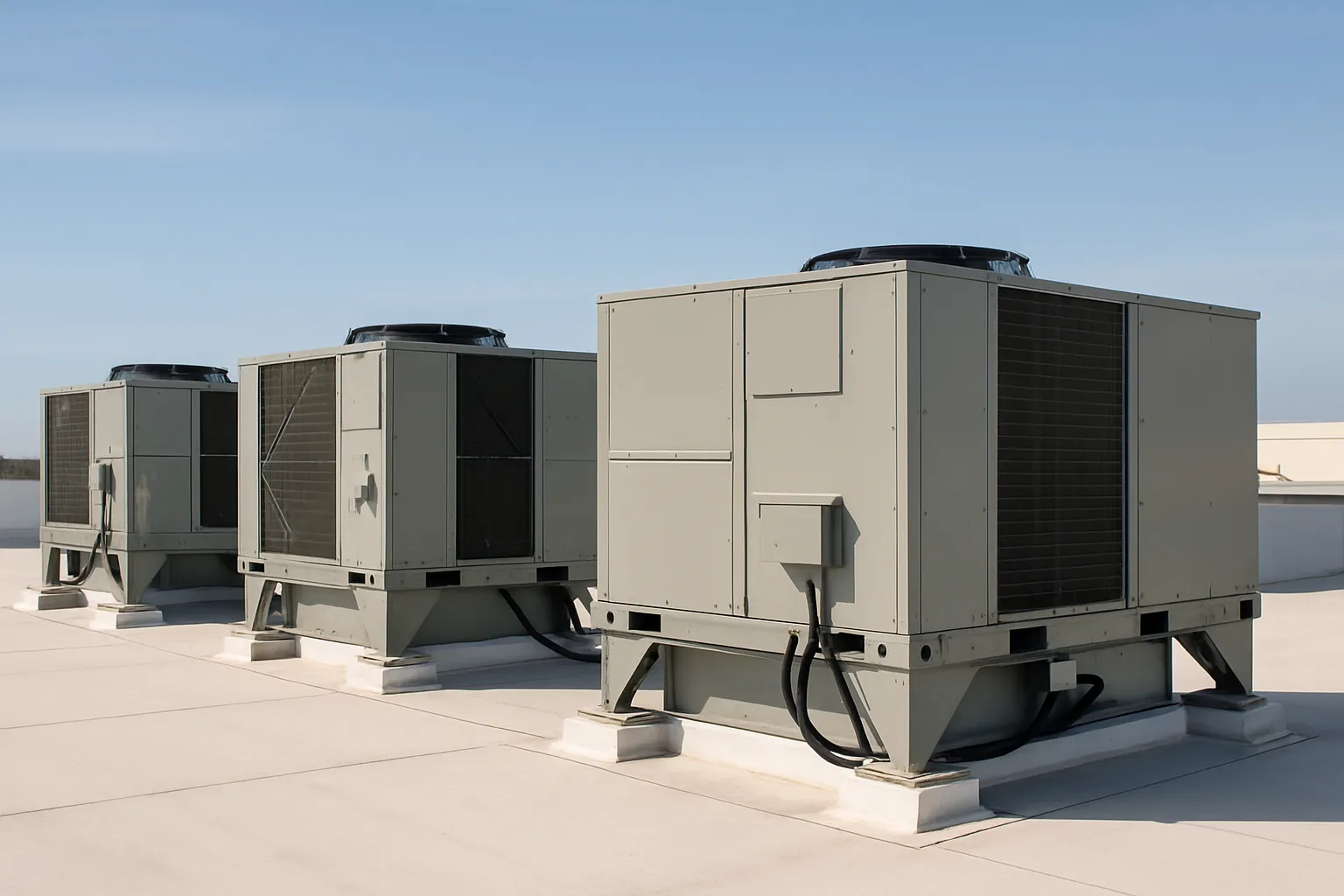
- High-efficiency rooftop units in the 10–60 ton range for offices and retail
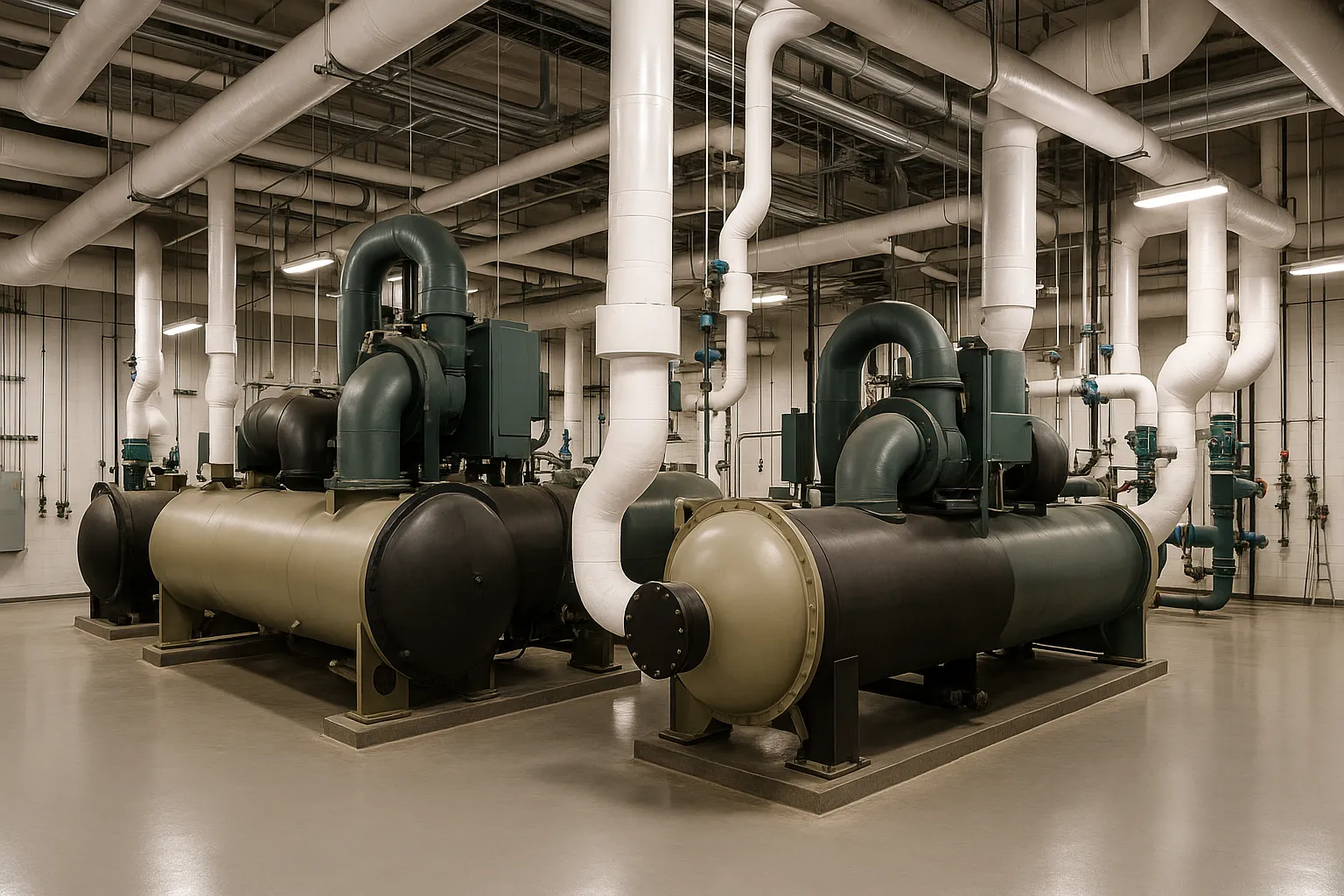
- Central chilled water plants in the 200–2,000+ ton range for campuses and hospitals
- Advanced air-cooled and water-cooled chillers for data centers and industrial processes
- VRF/VRV systems for variable occupancy spaces and modern office fit-outs
2. Capacity constraints are likely to tighten. Strong backlog means Trane’s factories and major component suppliers (compressors, controls, coils) are heavily loaded. As demand persists, the risk of extended lead times increases for large-tonnage equipment, custom air handlers, and control systems.
3. Timing becomes a strategic lever. In a strong demand environment, those who plan and commit earlier typically receive better delivery dates and fewer compromises on specifications. For property managers overseeing multi-site portfolios, multi-year HVAC project schedules become essential, not optional.
Data Center and Mission-Critical Demand: Ripple Effects on Other Buildings
Trane’s update specifically points to continued strength in data center and other commercial end markets. For facility managers outside of the data center sector, this still matters: mission-critical demand tends to absorb a disproportionate share of OEM capacity.
Data centers require high-density, high-reliability cooling solutions:
- Large-tonnage chillers and modular chiller plants
- Precision cooling (CRAC/CRAH) and close-control systems
- Redundant pumping and distribution infrastructure
- Advanced controls and monitoring for thermal risk
Because of the high value of uptime, data center owners typically lock in long-term agreements with manufacturers, securing production slots and engineering resources. For a hospital planning a 1,500-ton chiller replacement or a university upgrading a central plant, that can mean:
- Longer quoted lead times for similar tonnage ranges
- More competition for factory startup support and commissioning windows
- Tighter availability of top-tier efficiency configurations or custom options
Mission-critical sectors also often pursue aggressive energy-efficiency targets. Their demand for high-efficiency equipment can push innovation and standards up-market, but it can also reduce availability of certain compressor technologies, advanced controls, and heat recovery options for less time-sensitive projects.
Regulatory, ESG, and Energy Performance: How This Outlook Aligns with Policy Trends
Surging commercial HVAC demand and Trane’s raised outlook also reflect ongoing regulatory and ESG pressures. Building owners are under increasing scrutiny from energy codes, carbon policies, and investor expectations. Several major bodies guide this landscape:
- ASHRAE standards influence HVAC design, ventilation rates, and efficiency baselines for commercial buildings.
- The U.S. Department of Energy (DOE) sets national efficiency standards for commercial HVAC equipment and supports benchmarking tools for building performance.
- The U.S. Environmental Protection Agency (EPA) drives refrigerant policy and programs such as ENERGY STAR for energy-efficient equipment.
As codes tighten and refrigerant transitions continue, many building owners are upgrading to:
- Higher SEER/EER rooftop units and air-cooled chillers
- Variable-speed compressors and pumps to align with performance-based codes
- New refrigerant platforms as legacy refrigerants are phased down
In a market where demand is already strong, regulatory-driven projects for compliance or ESG reporting will compete for the same manufacturing and installation capacity. That makes it risky to assume that you can delay a code-driven upgrade and still secure ideal pricing and scheduling later.
Practical Planning Moves for Property and Facility Managers
For building owners and facility managers, the most important question is, “What should we adjust now?” In light of Trane’s stronger outlook and surging orders, several practical moves can reduce risk and improve outcomes.
1. Shift to multi-year HVAC capital planning. Instead of treating HVAC upgrades as annual budget line items, move to a 3–5 year view. Map out:
- Known end-of-life equipment by site, type, and tonnage
- Systems that are out of alignment with current ASHRAE and DOE efficiency guidance
- Projects tied to refrigerant, ventilation, or indoor air quality compliance
Then, sequence projects to avoid stacking too many large replacements in the same year.
2. Engage manufacturers and solution providers earlier. With strong demand and robust backlogs, early engagement gives you more options. For a 500–1,000 ton central plant project or a portfolio-wide rooftop unit replacement program, begin preliminary design and budgeting at least 9–12 months before desired installation.
3. Prioritize mission-critical and high-impact facilities. For portfolios that include data centers, hospitals, life sciences, or major campuses, prioritize HVAC projects in these assets. Not only is uptime critical, but these facilities also tend to drive energy and carbon performance targets.
4. Build flexibility into specifications where appropriate. While you should not compromise core performance or compliance requirements, consider specifying acceptable alternates on certain components or configurations. This can help you navigate supply constraints while still meeting ASHRAE, DOE, and EPA-aligned objectives.
Portfolio-Level Risk Management: Lead Times, Pricing, and Tenant Expectations
Trane’s raised outlook is also a signal to reassess risk at the portfolio level. In a strong demand environment, three categories of risk become more pronounced for property and facility managers: schedule, financial, and operational.
Schedule risk. For large equipment—chillers, custom air handlers, and complex control systems—lead times can extend. This affects:
- Tenant improvement timelines for major office or lab build-outs
- Seasonal constraints for swap-outs in schools or hospitality
- Coordinated shutdowns in hospitals and industrial plants
Mitigation includes earlier approvals, realistic contingency windows, and clear communication with occupants and stakeholders.
Financial risk. Strong demand and backlog may contribute to pricing pressure, especially for premium efficiency tiers or advanced technology platforms. While it is important not to chase short-term savings at the expense of long-term operating cost, earlier budgeting and scenario planning can help you manage capital allocations.
Operational risk. Deferring HVAC replacements when demand is high can increase the risk of unplanned outages, especially for equipment already near end of life. Aligning your risk register with HVAC condition assessments helps avoid situations where a failure forces you into an emergency purchase with limited options and poor leverage.
Tenant expectations are also evolving. Occupiers increasingly view HVAC performance—comfort, air quality, and reliability—as part of the value proposition of the building. If market capacity constraints lead to delays, proactive transparency and clear upgrade roadmaps can help preserve satisfaction and lease renewal potential.
How to Use Trane’s Market Signal in Your Next HVAC Decisions
News that Trane has raised its outlook based on surging commercial HVAC orders and a robust backlog is a practical planning tool for building owners and facility managers. Instead of waiting for constraints to show up as a surprise in your next project, treat this as an early warning and an opportunity.
Consider taking the following steps within the next quarter:
- Review your top 10 highest-risk HVAC systems by age, tonnage, and criticality.
- Confirm which upcoming projects are driven by compliance (ASHRAE, DOE, EPA-related) versus tenant improvements or ESG goals.
- Engage your HVAC advisors and solution partners to validate lead-time assumptions for key equipment types.
- Update your capital plan and internal communication to reflect that strong manufacturer backlogs are now part of the baseline, not an exception.
For portfolios that include data centers or other mission-critical facilities, take a particularly close look at cooling redundancy, load growth projections, and alignment with refrigerant and efficiency transitions. In a market where demand and backlog are already strong, the best-positioned owners will be those who act early, coordinate closely, and plan HVAC investments as strategic assets rather than reactive expenses.
Frequently Asked Questions
How should building owners adjust HVAC budgets in light of Trane’s stronger commercial outlook?
A stronger commercial HVAC outlook and robust backlogs suggest building owners should budget with more emphasis on lifecycle cost rather than lowest first cost. This includes allowing for potential price firming on high-efficiency equipment, planning contingencies for longer lead times, and prioritizing projects that materially impact energy, compliance, and tenant satisfaction.
Does surging commercial HVAC demand change the ROI on high-efficiency upgrades?
The underlying ROI drivers on high-efficiency HVAC—energy savings, reduced maintenance, and risk mitigation—remain intact, and regulatory trends from bodies like ASHRAE, DOE, and EPA continue to favor better performance. In a strong demand environment, securing higher-efficiency equipment early can lock in both operating savings and capacity, improving long-term asset value.
What risks do facility managers face if they postpone HVAC replacements amid strong OEM backlogs?
Postponing replacements in a strong-demand environment increases the risk of unplanned failures, constrained equipment options, and unfavorable installation windows. Facility managers may face higher emergency costs, tenant disruption, and difficulty meeting evolving standards. Proactive planning and condition-based prioritization help mitigate these risks while aligning projects with available capacity.
How does robust commercial HVAC demand interact with regulatory compliance requirements?
Regulatory compliance is non-negotiable, even when demand is high. Standards and guidance influenced by ASHRAE, DOE, and EPA continue to evolve, especially around efficiency, refrigerants, and ventilation. When OEMs report strong backlogs, compliance-driven projects must be planned earlier, with clear timelines and budget approvals, to avoid missing code deadlines or occupancy commitments.
What buyer criteria should property managers prioritize when OEM demand and backlogs are strong?
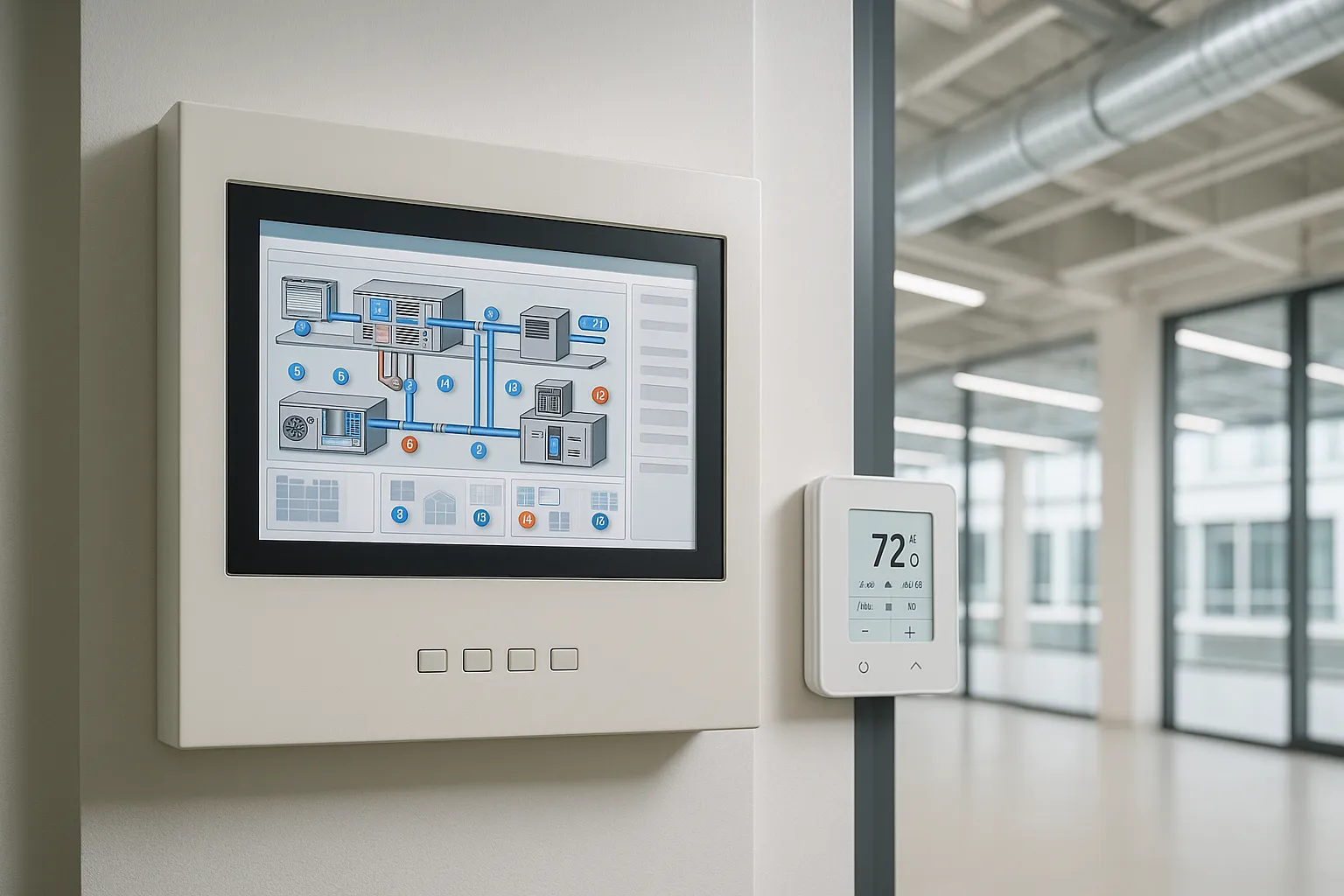
When OEM demand is strong, property managers should prioritize reliability, efficiency, and alignment with long-term building strategy over short-term availability alone. Key criteria include lifecycle energy performance, compatibility with existing building automation systems, support quality, and the ability to meet future regulatory thresholds, while still managing lead times and capital constraints.
Are data center-driven HVAC capacity constraints likely to impact smaller commercial buildings?
Yes, they can. Data centers demand large volumes of high-performance cooling and often secure manufacturing capacity in advance. This can indirectly tighten the availability of similar technologies for smaller commercial buildings. Owners of offices, retail, and mid-size campuses benefit from earlier engagement and flexible, performance-based specifications to maintain options in a constrained market.
Related Reading on My HVAC Tech
- Commercial HVAC Upgrade ROI: A Practical Guide for Property Managers
- New HVAC Supplier Price Increases Reach 15% in September 2026
Find a Qualified Commercial HVAC Contractor
Need help acting on this? Browse vetted commercial HVAC contractors in your area, or explore commercial HVAC services like preventive maintenance, retrofits, and emergency repair. Are you a contractor? List your business on My HVAC Tech to reach property and facility managers actively searching for help.
Originally sourced from ACHR News


